Blog

  • Health Insurance for Elderly Nigerians: A Complete Guide to Coverage for Senior Citizens

    Health Insurance for Elderly Nigerians: A Complete Guide to Coverage for Senior Citizens

    As your loved ones get older, you’ll notice that regular checkups, medications, and unexpected hospital visits become more frequent and more expensive.

    This guide walks you through everything you need to know about health insurance for senior citizens, including how it works, what it covers, and how to choose a plan that offers real value and long-term protection for your loved ones. 

    Why health insurance for senior citizens matters

    Medical bills rise sharply as your parents age. A doctor’s visit, specialist care, or emergency hospitalisation can easily cost hundreds of thousands of naira. If you are outside the country, there is the added worry of not being able to be physically present for support. Without health insurance for senior citizens, these costs can derail your finances.

    Consider these realities:

    A simple doctor’s consultation at a private hospital can cost anywhere between ₦10,000 and ₦30,000, depending on the hospital. If your parents need to see a specialist for diabetes, hypertension, or arthritis conditions that require regular monitoring, you’re looking at monthly medical expenses of ₦50,000 to ₦150,000, and that’s before medications, lab tests, or any procedures.

    Hospital admission for a senior with a health emergency can easily reach ₦500,000 to ₦2 million within days. A hip replacement surgery costs upwards of ₦3 million. Dialysis sessions for kidney disease run anywhere from ₦50,000 to ₦150,000 per session, and are needed multiple times weekly. Cancer treatment can cost more than ₦10 million. So you see that the costs stack up.

    The emotional toll is just as heavy. You’re trying to build your own life, support your own family, plan for your children’s future, yet you’re constantly bracing for the next medical emergency from home. The guilt when you can’t send enough. The fear when your phone rings unexpectedly. The exhaustion of being the family’s healthcare safety net.

    Here’s what health insurance for senior citizens actually does:

    It transforms unpredictable, crushing medical costs into manageable, predictable premiums. ​​With the right seniors plan, your parents can walk into hospitals and get care without paying up front. Their medications are covered or heavily subsidised. Routine check-ups happen regularly instead of being avoided due to cost. Some plans even cover health insurance for pre-existing conditions, assuring you that nothing is left out.

    Most importantly, it gives you peace of mind. You’re no longer wondering if you can afford the next medical crisis. With convenient options to buy health insurance for your parents online, you can put a system in place that actually works.

    Understanding health insurance for senior citizens: Key differences

    Not all health insurance works the same way for older adults. If you’ve been researching seniors’ health insurance plans in Nigeria, you’ve probably encountered confusing terms, conflicting information, and policies that seem designed to exclude rather than include your parents.

    Let’s break down exactly what makes health insurance for senior citizens different:

    1. Age limits and eligibility

    Most standard plans stop accepting new members over 60-65, while health insurance for elderly parents is designed for 50-75+ and recognises that seniors need more frequent, tailored care.

    1. Pre-existing conditions coverage

    This is where many families hit a wall. Your parents likely has diabetes, hypertension, arthritis, or other chronic conditions that developed over the years. Standard plans often exclude pre-existing conditions, impose long waiting periods, or charge much higher premiums. The right health insurance for senior citizens recognises these conditions and provides coverage from day one or after a short waiting period

    1. Waiting periods

    Waiting periods are the time between when you purchase a policy and when certain benefits become active. For seniors, this is critical:

    • Immediate coverage: Accidents and emergencies (usually 24-48 hours after activation)
    • Short waiting periods: Outpatient consultations and basic care (typically 30 days)
    • Longer waiting periods: Major surgeries and specific treatments (90 days to 12 months)
    • Pre-existing condition waiting periods: Can range from 0 to 12 months, depending on the provider and condition

    Understanding all these nuances can feel overwhelming, especially when you’re trying to make sure your parents get the care they deserve. That’s why having a plan that’s specifically designed for senior citizens can make all the difference.

    With SendCare by MyCoverGenius, you can find coverage that recognises the unique needs of older adults, covering pre-existing conditions, and ensuring your parents have access to care when they need it most. This way, you will have peace of mind, knowing they’re protected without the confusion or exclusions of standard plans.

    What the right seniors’ plan should typically cover

    When comparing elderly health plans in Nigeria, some benefits are essential. Here’s what every health insurance for senior citizens should cover, along with optional extras that can add real value.

    Coverage typeWhy it’s critical for seniorWhat to look for (minimum affordable standards)
    Inpatient hospital careHigh risk for surgeries, infections, heart issues, and emergencies.A reliable annual limit of at least ₦1,000,000 for hospital admissions, including emergency surgeries and access to a Semi-Private Ward.
    Outpatient consultationsRegular doctor visits for chronic disease monitoring are essential for senior health management.A minimum annual limit of ₦600,000 for general consultations and guaranteed access to specialists (e.g., at least twice/month).
    Prescription medicationsMost seniors take daily medications for chronic conditions. A minimum pharmacy limit of ₦150,000 per annum, with specific, dedicated coverage for chronic disease medications (e.g., at least ₦100,000 per annum).
    Chronic disease managementDiabetes, hypertension, arthritis, and heart disease require ongoing monitoring and treatment.Explicit coverage for chronic conditions and all necessary regular monitoring tests 
    Diagnostic tests & imagingNeeded for diagnosis and monitoring.Comprehensive diagnostic coverage up to the outpatient limit, including essential advanced investigations like CT/MRI/Echo twice per year.
    Emergency careImmediate access saves lives.Full coverage for 24/7 emergency room access, ambulance services, and emergency stabilisation (including radiological/lab investigations) up to a minimum of ₦100,000 per annum.
    Rehabilitation careEssential for recovery from surgeries or managing mobility issues.Inclusion of physiotherapy care with a minimum of 8 sessions/year.

    Highly recommended optional benefits

    Beyond the essential coverage, some extras can make a real difference for your parents’ well-being without costing more than necessary.

    • Optical care: Covers eye exams, glasses, and cataract surgery to manage age-related vision issues.
    • Dental coverage: Basic care, extractions, and dentures help prevent small problems from becoming expensive.
    • Home care services: Post-surgery support and physical therapy at home reduce the risk of rehospitalisation.
    • Telemedicine / 24-hour doctor access: Quick virtual consultations for chronic condition check-ins.
    • Medication delivery: Prescriptions delivered directly to your parent’s door within 24–48 hours.
    • Wellness and preventive care: Annual screenings, cancer checks, and heart health assessments catch issues early. Elderly health plans in Nigeria often include these as optional extras.

    The difference between standard and senior-specific coverage is the emphasis on chronic disease management and regular preventive care, the services older adults actually use most frequently.

    How to assess your parents’ specific health insurance needs for seniors plan 

    Before comparing options, you need a clear picture of your parents’ health requirements. 

    1. Start with their current health; chronic conditions like diabetes, hypertension, arthritis, or heart disease, regular medications, and any hospitalisations in the past year. Understanding these details helps you identify which coverage features are essential versus optional.
    2. Next, look at their lifestyle and healthcare usage. How often do they see doctors? Do they prefer private hospitals or public facilities? Can they travel easily, or do they need home-based care? If you’re abroad, consider whether coverage that works nationwide, or even internationally, would be important.
    3. Budget matters too. You want a plan that balances affordability with the coverage your parents actually need. A good seniors plan can cover chronic conditions, routine check-ups, and emergencies, while avoiding unnecessary extras. Taking the time to assess their health, lifestyle, and spending limits ensures you choose health insurance for your elderly parents that genuinely protects them and gives you peace of mind.
    4. It is also crucial to consider your family’s risk tolerance. What would happen if your parents needed emergency surgery next month? Could you manage a ₦2 million hospital bill without insurance or quickly access funds for an unexpected medical crisis? How would covering a major medical emergency affect your own financial stability?

    These questions are not easy, but they matter. Health insurance for senior citizens is not just about the premiums you pay; it is about protecting your family from huge costs and giving you real peace of mind.

    For comprehensive information on family health insurance, types of health insurance you can get for your family and coverage options, visit our guide on family health insurance in Nigeria.

    Coverage details to watch out for in seniors’ health insurance plan

    When comparing plans, there are a few important points to consider:

    • Overall benefit limits: Some plans have yearly maximums. Make sure the plan provides enough coverage for your parents’ likely needs, especially if they have chronic conditions.
    • Limits on specific services: A plan might cover general care well, but restrict certain treatments like surgeries or advanced procedures. Check what’s included so there are no surprises.
    • Hospital access: Ensure the plan’s network includes quality hospitals near your parents. Nationwide coverage is only useful if they can actually reach the facilities.
    • Co-payments and deductibles: Some plans require you to contribute to costs before coverage starts. Understand these out-of-pocket responsibilities so you’re prepared.

    A senior’s plan that balances these points ensures your parents receive essential care, routine monitoring, and emergency protection without unexpected financial strain.

    How SendCare simplifies finding the right coverage

    Finding the right coverage for your parents can feel overwhelming. A lot of time is spent comparing policies, checking hospital networks, understanding exclusions, and deciphering complicated documents is exhausting.

    SendCare simplifies this by bringing all three SendCare senior plans together in one platform, so you can see exactly what each plan offers and pick the one that fits your parents’ needs and your budget.

    Here’s what makes each plan clear and practical:
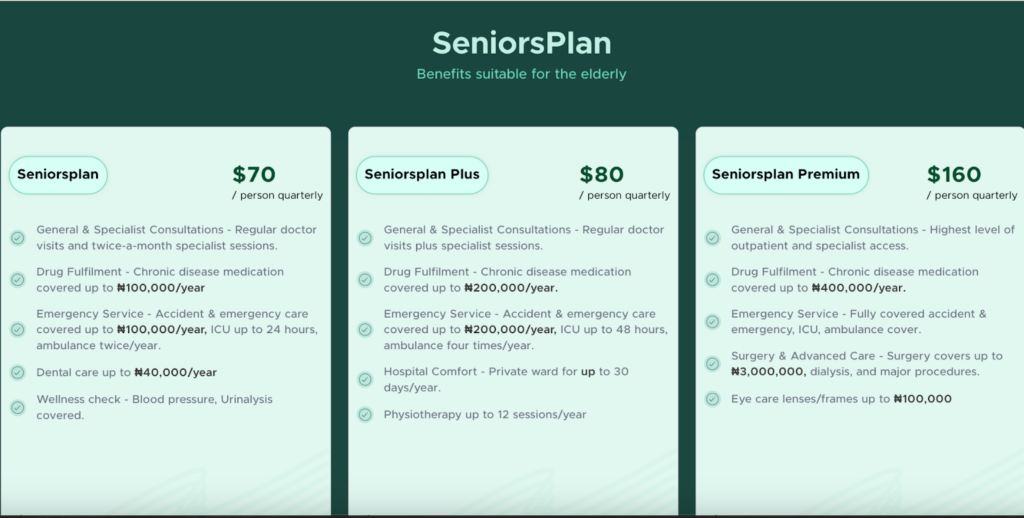
    SendCare health insurance plans for seniors, parents, and elderly.
    • SeniorsPlan: Covers inpatient and outpatient care, general consultations, chronic condition treatment, and essential medications. It’s a great choice if your parents have routine healthcare needs.
    • SeniorsPlan Plus: Adds higher outpatient limits, more pharmacy support, specialist visits, and additional procedures, which is ideal for seniors who need more regular monitoring or treatment for chronic conditions.
    • SeniorsPlan Prime: The most comprehensive tier, including extensive inpatient coverage, advanced surgeries, physiotherapy, dental and optical care, telemedicine, wellness checks, renal dialysis and more for seniors with complex healthcare needs.

    SendCare takes the guesswork out of health insurance, helping you pick a seniors plan that fits your parents’ needs and keeps you confident their care is covered.

    Compare senior health plans on SendCare 

    Step-by-step guide: How to buy elderly health insurance plans online using SendCare 

    You’ve assessed your parents’ needs. You understand what coverage they require. Now it’s time to secure a seniors plan that protects them, wherever you are in the world. 

    Here’s exactly how to do it, the simple way.

    Step 1: Gather essential information

    Before you start comparing plans, collect these details about your parent:

    Personal information:

    • Full legal name as it appears on official ID
    • Date of birth
    • Gender
    • Residential address in Nigeria
    • Contact phone number and email 

    Medical information:

    • Known chronic conditions (diabetes, hypertension, arthritis, heart disease, etc.)
    • Current medications and dosages
    • Recent hospitalisations or surgeries in the past 12 months
    • Known allergies
    • Name and location of preferred hospital or doctor 

    Coverage Preferences:

    • Desired coverage start date
    • Budget range, either quarterly or annually
    • Specific benefits needed based on your earlier assessment
    • Whether other family members need coverage simultaneously

    Payment Information:

    • How you’ll pay (if you’re abroad: international card in USD/GBP/EUR; if you’re in Nigeria: local card or transfer)
    • Billing is either by quarterly, bi-annual, or annual payment

    Having this information ready will help you understand which seniors plan to buy for your parents or the elderly. 

    Step 2: Compare plans on SendCare

    Finding the right health insurance for senior citizens doesn’t have to be stressful. SendCare simplifies the process so you can see all the best options in one place, without juggling multiple websites or phone calls.

    Here’s how it works:

    1. Visit SendCare’s page at mycovergenius.com/sendcare
    2. Go to ‘plans’ and select ‘SeniorsPlan’.
    3. View curated options: SendCare presents 3 different seniors plan options tailored to your parents’ health profile.

    What you’ll see for each plan:

    • Annual maximums and any sub-limits
    • Key benefits in simple terms
    • Transparent pricing (quarterly/annual)
    • Number and names of accessible hospitals near your parent
    • Pre-existing condition coverage
    • Prescription drug coverage details

    To better understand what you’re paying for and why, read our comprehensive guide on HMO costs in Nigeria, which breaks down typical pricing across different coverage levels.

    Step 3: Sign up and get your parents covered

    Once you’ve picked the right seniors plan on SendCare, the next step is to set up your account and secure coverage.

    • Start by creating a MyCoverGenius account. Since you’re signing up from outside Nigeria, enter your current location. 
    • Next, provide your personal details: first name, last name, date of birth, and gender.
    • Finally, enter your email and WhatsApp number. These are needed to verify your account with a one-time password (OTP). Once verified, you’re ready to proceed with purchasing health insurance for your senior citizen and ensuring reliable elderly health plan coverage in Nigeria. 

    Step 4: Payment & policy delivery

    Once you choose the right seniors plan for your parent, you pay in USD, GBP, or EUR using your international debit or credit card. No naira transfers, no local bank restrictions, no back-and-forth with relatives.

    What happens after payment

    • Immediate receipt: You get a payment confirmation by email instantly.
    • Instant digital ID: The plan is created, and your parents’ e-HMO ID is generated automatically.
    • Policy activation: Your parents’ seniors plan becomes active 24 hours after registration, after which they can walk into any hospital to receive care.
    • Hospital network: A full list of all hospitals under their plan is accessible to your parents.

    Why use SendCare to secure health insurance coverage for seniors  

    SendCare makes it simple for Nigerians in the diaspora to buy health insurance for senior citizens and elderly parents back home in Nigeria.

    You already know your parents’ needs and the kind of elderly health plans in Nigeria that work for them. Here’s why SendCare is a great choice for your parents: 

    1. Simplifies the process

    Trying to find the right health insurance for senior citizens on your own can be daunting and even confusing. Different providers have different age limits, waiting periods, pre-existing condition rules, and hospital networks. SendCare has plans that actually focus on covering seniors, letting you compare the best options quickly. And if you need help, you can easily reach out to us via a phone call and WhatsApp at 09070008899 so we can guide you in picking the right plan for your parents.

    2. Perfect for Nigerians living abroad

    If you’re overseas, coordinating insurance can be tricky. SendCare lets you buy health insurance for your parents online, pay in USD, GBP, or EUR, and manage everything from your phone or laptop. Your parents get coverage activated in Nigeria without complicated steps or paper forms.

    3. Reliable and trustworthy

    It’s normal to worry about insurance myths that might stop you from getting coverage for your parents. You may have heard things like “insurance companies never pay claims,” “insurance is only for rich people,” or “the claims process is deliberately complicated.” These concerns are real, but they don’t reflect the reality when you use SendCare.

    SendCare works with licensed, reputable insurers and pre-vetted hospitals, so you can feel confident your parents’ coverage will actually work when needed. Every plan clearly shows what’s covered, and if issues arise, we guide you through the process so you aren’t left handling claims alone. This is how SendCare ensures your parents’ health insurance always works. 

    4. Plans designed for seniors

    Standard policies often exclude pre-existing conditions or have long waiting periods, making them unsuitable for ageing parents. SendCare focuses on health insurance for elderly parents designed for chronic care, medications, and frequent check-ups.

    5. Transparent pricing

    Hidden fees, co-payments, or confusing limits can make a plan more expensive than it seems. SendCare shows upfront premiums, limits, and benefits clearly. You can compare all seniors plans side by side and pick what fits your parents and your budget. 

    Explore senior plans on SendCare now

    Common questions about health insurance for senior citizens (FAQ)

    What does MyCoverGenius health insurance for senior citizens cover?

    MyCoverGenius health insurance for senior citizens plans, available through SendCare, cover inpatient care, outpatient consultations, specialist visits, prescription medications, diagnostics, emergency care, and management of chronic conditions like diabetes, hypertension, surgery, arthritis, etc. Optional benefits include optical care, dental coverage, 24/7 telemedicine, and others, depending on the plan tier. 

    How can I buy health insurance for my parents online?

    Buying health insurance for your parents online through SendCare is simple. Select ‘seniorsplan’ here, enter age and location, compare curated plans with clear coverage and pricing, complete the application, and pay securely in USD, GBP, or EUR. Once registration is complete, your parents’ digital HMO ID is generated instantly, and they can start using their health insurance plan within 24 hours. The process only takes a few minutes, making it easy for Nigerians abroad to secure coverage for their elderly parents back home.

    How do pre-existing conditions affect coverage for older adults?

    Pre-existing conditions are health issues your parent had before enrolling in insurance and are a major concern. SendCare’s senior plans provide transparent coverage for pre-existing conditions, with short waiting periods and full benefits once active. Always disclose your parents’ medical history honestly to avoid claim issues. Common conditions include diabetes, hypertension, heart disease, arthritis, and asthma.

    What are the best health insurance plans for seniors with chronic illnesses in Nigeria?

    The best senior plans for chronic conditions cover pre-existing illnesses, regular outpatient visits, specialist consultations, medication benefits, and diagnostic tests. Top plans also include eye care, dental care, surgeries, and preventive screenings. All SendCare senior plans offer these features, with the main difference being the benefit limits. You can compare the plans on SendCare to find the limit that best matches your parents’ healthcare needs and budget, ensuring comprehensive coverage for their chronic conditions.

    How long is the waiting period for senior citizen health insurance in Nigeria?

    With SendCare, your parents’ senior plan coverage becomes active 24 hours after registration. This means they can start using their plan immediately after 24 hours.

    What should I do if my parent needs emergency care?

    Emergency care is available 24 hours after registration. Your parent can go directly to any hospital in the SendCare network. We recommend they first use the “Visit Hospital” feature on their HMO dashboard, as this helps track their arrival and ensures the hospital is ready.

    They should present their digital HMO ID, which includes personal details and the HMO provider’s name. If there’s any confusion or support needed, you can reach out to us for help. 

    Which hospitals can my parents access with SendCare?

    Your parents can access a wide network of hospitals across Nigeria, included in their SendCare senior plan. After registration, they’ll receive a digital HMO ID and a list of hospitals where their coverage is valid. This lets them receive care without delays, whether it’s a routine visit, specialist consultation, or emergency care.

    Does the plan cover surgeries, eye care, dental care, and chronic illnesses?

    Yes. All three SendCare senior plans cover chronic conditions, surgeries, eye care, dental care, and more. The main difference between plans is the benefit limit, so you can choose the plan that best fits your parents’ healthcare needs and budget.

    Can I update my parents’ information or manage the plan remotely?

    Yes. As the adult child managing coverage from abroad, you can handle everything online. Once your parents’ SendCare senior plan is active, you can update personal information, manage renewals, and monitor coverage from your dashboard. There’s no need for in-person visits in Nigeria.

    Have questions? Our support team is available via phone at +234 9070008899 or visit mycovergenius.com/sendcare for more information about senior health insurance options and how we can help protect your loved ones.
  • 6 Best Avon HMO Alternatives in Nigeria for 2026 (With Prices)

    6 Best Avon HMO Alternatives in Nigeria for 2026 (With Prices)

    While achieving universal health coverage remains a key goal for many Nigerians, finding the right health insurance plan provider in Nigeria can feel overwhelming. We’ve all been there: feeling unwell, worrying about costs, and unsure if your HMO will actually come through every time you need it.

    If you’re looking to compare Avon HMO with other health insurance providers or just looking for coverage that actually makes life easier, here are seven best alternatives to Avon HMO in 2026, complete with pricing, hospital networks, and what makes each one worth considering for your health insurance needs.

    6 Best Avon HMO alternatives

    1. MyCoverGenius
    2. Leadway Health
    3. AXA Mansard 
    4. Reliance HMO
    5. Total Health Trust HMO 
    6. Hygeia HMO

    Why consider an Avon HMO alternative

    As your healthcare needs evolve, you might be looking for plans that offer quicker access, a broader hospital network, or different methods of managing your care. Research shows that approximately 60% of those on employer-funded insurance would consider switching HMOs if given the option, with 23% citing restrictive services as a key factor.

    Some common reasons people consider Avon alternative HMOs include:

    • Desire for faster access to doctors and specialists
    • Looking for coverage that aligns more closely with their expectations
    • Easier ways to switch or update primary healthcare providers
    • More responsive support for after-hours or emergencies

    If you’ve ever wondered whether a different plan could make healthcare smoother or more convenient,  our breakdown of the top 5 best HMOs in Nigeria can help you see what’s available.

    What to consider when choosing an Avon HMO alternative

    Since you are thinking about exploring alternatives to your current HMO, it helps to know what really matters when choosing a plan. Focusing on the right factors ensures you pick coverage that fits your life, your budget, and your peace of mind.

    1. Coverage options for your situation

    Health needs differ, and the best plan is the one that fits your life stage. Individual plans are ideal if you want focused coverage for yourself, while family health insurance plans let everyone share one policy, often a cost-effective choice for young families. Corporate or group plans usually provide better value because the risk is spread across more people, often including coverage for pre-existing conditions from day one. Understanding the differences helps you select a plan that truly meets your needs.

    2. Hospital network and accessibility

    A good HMO should connect you to hospitals that are conveniently located. Look for providers with a strong network of quality hospitals near your home or workplace. When exploring new HMOs, it’s worth checking their hospital lists and, if possible, visiting some facilities. The goal is to ensure that the care you need is available without unnecessary travel or delays.

    3. Pricing transparency and flexibility

    Health insurance in Nigeria should fit your budget as well as your healthcare needs. Some plans still rely on large annual payments that may not suit everyone, but newer providers like MyCoverGenius now offer flexible options, including quarterly or monthly plans, often starting from as little as ₦3,500. Understanding pricing upfront helps you avoid surprises and plan your finances confidently while exploring different options.

    4. Responsive customer support and efficient claims

    The best HMOS in Nigeria provide 24/7 customer service through phone, email, and chat, plus digital claims processing for faster reimbursements. Modern claims processes, including digital platforms and mobile apps, can speed up reimbursements and reduce paperwork, giving you faster access to care whenever you need it.  

    Comparison table: Top 6 Avon HMO alternatives

    ProviderStarting PriceHospital NetworkKey AdvantagePayment FlexibilityBest For
    Avon HealthcareN65,429/ year2,000+ hospitalsComprehensive plans, international coverageAnnual paymentsIndividuals, families, international travellers
    MyCoverGeniusPlans start from as low as N7,000/month (Zencare )1,000+ hospitalsImmediate digital activation, inpatient and out-patient coverage, maternity care, telemedicine features, and robust pre-existing condition coverage.Monthly paymentsDigital savvy individuals, families & businesses
    Leadway HealthAnnual plans starting at N85,724/year (corporate) N104,997/year (retail)7,000+ globallyMental wellness, roaming hospitals, international coverageAnnualTech-savvy individuals (via app), families, SMEs, International travellers, 
    AXA MansardN12,000 Monthly/Quarterly/Annual plans available1,000+ hospitalsInternational coverage, cheapest entry pointMonthly/Quarterly/AnnualBudget-conscious, international travellers
    Reliance HMOQuote-based2000+ providersNationwide coverage, affordable telemedicine optionQuarterly/AnnualSmall businesses/ Enterprises
    Total Health TrustQuote-based1,700+ providers International access (Africa/India), gym discountsFlexibleIndividuals, businesses
    HygeiaPlans start from ₦26,515/year (HyEase)2,000+ providersComprehensive plan tiersAnnualIndividuals, families, seniors, SMEs, corporates

    6 Best Avon HMO alternatives in Nigeria for 2026 (with prices) 

    1. MyCoverGenius HMO

    MyCoverGenius is the most flexible Avon HMO alternative, optimised for simplicity and speed. You can register online in minutes, choose a plan that fits your budget, and begin using your benefits almost immediately. There’s no paperwork to worry about, and payment can be made monthly or yearly, which is perfect for anyone who prefers a straightforward, digital-first experience..

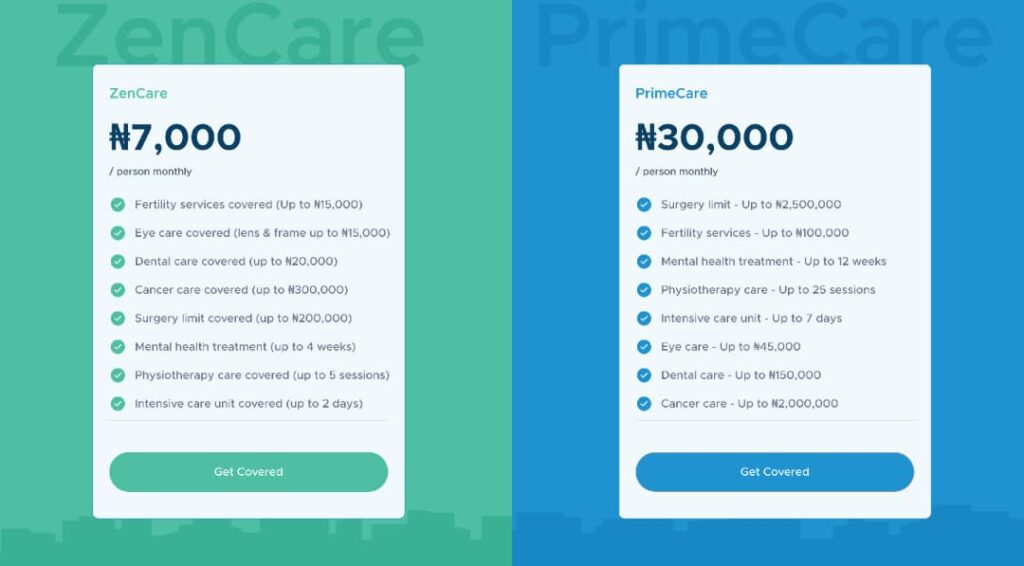
    MyCoverGenius also offers three major plans, each suited to a different level of care. The more economic plan for businesses and families, FlexiCare, starts from ₦2,000 per month. Flexicare covers everyday health issues, 26 surgical procedures, outpatient visits, hospital admissions, and includes round-the-clock telemedicine. ZenCare starts at ₦7,000 per month and expands that protection to cover chronic illnesses, psychiatric consultations, renal and cancer care, and unlimited access to general and specialist doctors.  If you are looking for more comprehensive protection, PrimeCare, priced from ₦30,000 per employee monthly, adds higher financial limits, up to ₦2,000,000 for cancer treatment, as well as broader coverage for surgeries and advanced medical support.

    What sets MyCoverGenius apart is how quickly you can use your plan. Many insurers delay activation or restrict benefits for days or weeks, but with MyCoverGenius, coverage begins 24 hours after payment is made, and access treatment immediately using your digital HMO ID. 

    MyCoverGenius pros:

    • Fully online platform with fast  plan activation
    • Responsive and effective customer service 
    • 24-hour telemedicine for quick medical advice
    • Network of over 1,200+ hospitals across Nigeria
    • Plans are suitable for individuals, families, SMEs, and corporate groups
    • Transparent pricing and easy plan upgrades starting with monthly, quarterly, or annual payments

    MyCoverGenius cons

    • Still relatively new compared to older HMOs
    • Hospital experiences can vary depending on location

    Who is MyCoverGenius best suited for?


    People who want quick, reliable coverage they can manage from their phone. It’s also great for employers who need to onboard staff health benefits quickly without paperwork or waiting periods.

    Explore MyCoverGenius plans to see how it compares to your current coverage. 

    2. Leadway Health

    Leadway Health is a leading Avon HMO alternative known for its nationwide flexibility and strong focus on mental wellness. Through its Employee Assistance Programme (EAP), it offers mental wellness support and counselling, alongside a roaming hospital service that allows you to access care from any network provider across Nigeria, which is great for individuals or teams who move around frequently.

    All plans include comprehensive inpatient and outpatient services, advanced pharmacy benefits with prescription drug delivery, 24/7 telemedicine, and medical concierge support. Pre-existing conditions are covered when disclosed at policy start, with a brief 7-day waiting period before new coverage becomes active.

    For pricing, retail plans start from ₦104,997 per year for individuals and families, offering flexible coverage levels. Corporate plans begin at ₦85,724 per year, with premiums adjusted based on company size and coverage scope, while international plans start from $400, giving access to over 7,000 global healthcare providers.

    Leadway Health operates a vast network of hospitals and clinics nationwide, ensuring easy access to quality care wherever you are.

    Leadway Health pros

    • Roaming hospital access across Nigeria
    • Employee Assistance Programme for mental wellness support
    • Prescription drug delivery and concierge services
    • Coverage for disclosed pre-existing conditions
    • 24/7 telemedicine and global plan options

    Leadway Health cons

    • 7-day waiting period before new coverage starts
    • Corporate plans require personalised quotes
    • Higher starting cost than basic entry-level HMOs

    Who is Leadway Health best suited for?

    Ideal for corporate teams needing flexible, tiered employee health coverage, businesses with staff who travel internationally, and individuals or families seeking comprehensive healthcare that includes preventive care, chronic condition management, and mental wellness support.

    3. AXA Mansard HMO 

    AXA Mansard Health is one of the top Avon HMO alternatives in Nigeria, combining global insurance expertise with strong local experience. With entry-level coverage starting from ₦12,000 for six months, it offers affordable health plans for individuals, families, and corporates, plus international options for frequent travellers.

    As part of the global AXA Group, the company provides reliable service and wide hospital access nationwide. Coverage includes outpatient and inpatient care, maternity, emergency treatment, dental and optical services, and, for higher tiers, international medical evacuation and overseas treatment through AXA’s global network.

    Plan options range from the EasyCare plan at ₦12,000 for six months to retail plans from ₦86,500 per year, and international plans from $1,682 annually, allowing flexibility based on budget and coverage needs.

    AXA Mansard’s strength lies in its financial stability, structured plans, and broad hospital network, though its traditional onboarding can be slower than newer digital-first HMOs.

    AXA Mansard pros

    • Backed by the global AXA Group
    • 1,000+ partner hospitals nationwide
    • International coverage on select plans
    • Flexible plan tiers for individuals, families, and corporates
    • Affordable entry point from ₦12,000 for six months

    AXA Mansard cons

    • Premium plans are pricier than digital-first competitors
    • Onboarding and support can feel traditional

    Who is AXA Mansard best suited for?

    Professionals, families, and organisations seeking dependable, large-scale healthcare with international access and solid financial backing.

    Curious about other options beyond AXA Mansard? Explore our AXA Mansard HMO alternatives for a detailed comparison.

    4 . Reliance HMO  

    Reliance HMO is another Avon HMO alternative for small businesses and enterprises that prefer managing health plans digitally. Their plans include inpatient and outpatient care, specialist consultations, preventive services, wellness programs, and 24/7 telemedicine and multi-channel support. The company offers custom pricing based on team size and healthcare needs, ensuring predictable and transparent costs without rigid retainerships.

    Reliance’s hospital network spans over 3800 partner facilities nationwide, giving employees access to quality healthcare wherever they are.

    Reliance HMO pros

    • Easy plan management through a mobile app
    • 3800+ health and wellness partners across Nigeria
    • Wellness and preventive care built into plans
    • 24/7 telemedicine and customer support

    Reliance HMO cons

    • Basic plans may not cover chronic illness medication
    • Some users report slow approval times
    • Entry-level pricing can feel high for smaller teams

    Who is Reliance HMO best suited for?

    Small businesses and growing enterprises that want flexible, tech-driven healthcare plans with transparent pricing and a focus on employee wellness.  

    Our guide on the best Reliance HMO alternatives covers additional providers worth exploring.

    5. Total Health Trust HMO

    Total Health Trust is an Avon HMO alternative that offers flexible health coverage for individuals, families, SMEs, and large corporations. It stands out for combining strong local coverage with international healthcare access through its partner network in Africa and India, making it ideal for businesses focused on employee wellness and individuals seeking preventive care options across the continent.

    THT’s plans cover outpatient and inpatient services, surgeries, specialist consultations, maternity and paediatric care, dental and optical services, emergency response, telemedicine, and psychological support. Members also enjoy access to discounted gyms and international healthcare partnerships, ensuring a well-rounded wellness experience.

    Their corporate and MSME plans are customised based on company size and coverage needs, while individual and family plans are available in tiered options from essential to premium, allowing users to choose benefits that suit their health priorities and budget.

    With a network of over 1,700 hospitals in Nigeria, THT ensures easy access to quality care across Nigeria. 

    Total Health Trust pros

    • Broad coverage across local and international hospitals
    • Preventive care and wellness programs included
    • Flexible retail and corporate plans
    • Gym discounts and psychological support
    • Strong network reach across Africa and India

    Total Health Trust cons

    • Pricing details require direct consultation
    • International benefits are limited to certain plan tiers

    Who is Total Health Trust best suited for? 

    Ideal for businesses seeking structured, wellness-focused employee healthcare, and individuals or families who want flexible, budget-friendly plans with access to both local and international medical providers.

    6. Hygeia HMO

    As one of Nigeria’s oldest health insurance providers, Hygeia HMO offers a compelling alternative to Avon HMO. Their diverse portfolio caters to individuals, families, retirees, small businesses, large corporations, and expectant mothers, backed by partnerships with more than 2,000 medical facilities nationwide for seamless access to care.

    Their coverage is notably robust: you get access to general practitioners and specialists (through virtual or physical appointments), surgical interventions, prenatal and postnatal care, vaccinations, nutritional guidance, and management of long-term health conditions on higher-tier packages. Their online tools allow basic plan browsing and enrollment, though they lack the sleek, app-first experience of emerging competitors. In exchange, you benefit from their decades of operational history, an expansive healthcare provider base, and carefully designed packages that address specific demographic and business requirements.

    Hygeia HMO pros

    • Network of over 2,000  medical facilities across Nigeria
    • Extensive benefits for expectant mothers and those with long-term illnesses
    • Tiered packages designed for diverse groups, from individuals to large enterprises

    Hygeia HMO cons

    • Premium-tier packages come with steeper costs
    • Online platform feels outdated compared to app-based competitors

    Who is Hygeia HMO best suited for?

    Families needing robust health protection, working professionals, and companies wanting reliable healthcare access, a wide provider network, and time-tested service quality, rather than cutting-edge digital features.

    Why MyCoverGenius stands out among AVON HMO alternatives

    MyCoverGenius combines three critical advantages: fully digital onboarding in minutes, 24-hour coverage activation, and flexible monthly payments starting at N2,000, addressing the top frustrations people have when they compare HMOS in Nigeria. 

    The key differentiators:

    1. Completely digital experience

    From sign-up to accessing healthcare services, everything happens online. No physical paperwork, no hospital visits for medical tests (for most plans), no waiting in queues. MyCoverGenius’s streamlined 3-step process takes minutes: select your plan, upload necessary information, and immediately generate your digital HMO ID.

    2. Immediate benefit activation

    Some HMOs often impose waiting periods that delay access to needed care. MyCoverGenius activates your benefits within 24 hours of registration. When you need healthcare, you get it fast.

    3. Flexible payment structure 

    Unlike rigid annual payments exceeding N500,000, they offer monthly payment options starting from N2,000. This makes quality health insurance in Nigeria accessible to families who can’t afford large upfront costs.

    4. Co-creation model

    Businesses can develop customised insurance products tailored to their specific needs, with dedicated account managers providing personalised support throughout the insurance journey. 

    6. Quick claims settlement

    For those frustrated with slow claims processing, MyCoverGenius ensures quick settlement procedures that simplify experiences for both employees and businesses.

    Find out how MyCoverGenius matches your health goals and choose the plan that fits best.

    How to switch from Avon HMO to MyCoverGenius

    If you’re currently on an Avon HMO plan, switching to MyCoverGenius is quick and fully digital. You can complete the process and activate your new coverage within 24 hours.

    Here’s how to make the transition smoothly:

    • Check your current contract terms: Check your current policy for renewal dates, notice periods, and pending claims. This helps you plan your transition smoothly and avoid gaps in coverage.
    • Choose a plan from MyCoverGenius: Explore MyCoverGenius health plans that fit your lifestyle and budget. Options are available for individuals, families, and businesses, with nationwide hospital access.
    • Enrol with MyCoverGenius: After picking the right plan from MyCoverGenius, complete your online enrollment and make your first payment. You’ll get an instant HMO ID after registration, and your coverage becomes active within 24 hours, so you can access care immediately.

    Update your records: Share your new MyCoverGenius policy details with your dependents. Save your digital HMO ID card on your phone or access it anytime through your MyCoverGenius dashboard for easy management via the website or the mobile app.

    Make the switch to an HMO that suits your needs

    You deserve health insurance that delivers comprehensive coverage, accessible hospitals, transparent pricing, and responsive support when you need it most.

    While Avon HMO has served many Nigerians, the market has evolved with many strong alternatives now offering better value, faster service, and more comprehensive coverage.

    Look for providers offering digital platforms that allow you to manage your healthcare with minimal effort, providing features like mobile apps, online portals, and digital claims processing significantly enhance your experience and reduce administrative headaches.

    Your health deserves more than guesswork. Explore our plans or connect with our team to discover healthcare that’s reliable, flexible, and built specifically for your needs. 

  • 7 Common Insurance Myths in Nigeria (And the Truth Behind Them)

    7 Common Insurance Myths in Nigeria (And the Truth Behind Them)

    “Insurance is a scam.”

    I’ve heard that sentence more times than I can count — at family gatherings, in group chats, on Twitter threads. And I get it. When you’re paying premiums month after month without ever filing a claim, it can feel like money disappearing into thin air.

    In this article, I will be breaking down the biggest insurance myths in Nigeria and using actual industry data to show what’s fact, what’s fiction, and why these misconceptions about insurance cost Nigerians millions every year.

    Myth 1: “Insurance companies never pay claims”

    The myth

    Many Nigerians believe insurance companies are quick to collect premiums but disappear the moment something goes wrong. It’s one of the most persistent misconceptions about insurance in Nigeria, and it’s costing people real financial protection.

    The reality

    The truth is, most insurance companies in Nigeria do pay claims and the data proves it.

    According to the National Insurance Commission (NAICOM), Nigeria’s insurance industry paid out ₦622 billion in valid claims in the last quarter of 2024 alone. That’s 80% of all reported claims and a clear sign that insurers are not just collecting premiums as widely believed but  they’re paying, and doing so consistently.

    Here’s what the data shows:

    • Total gross claims stood at ₦779.5 billion
    • Life insurance settled about 84% of reported claims
    • Non-life insurance handled 78.1% of claims
    • Claims paid represented roughly half of all premiums generated in that period

    Where this myth comes from

    So why does the idea that “insurance companies don’t pay” still persist?
    The small percentage of denied claims (about 10–20%) often have the loudest coverage.
    In reality, most denials occur because of:

    • Missing or incomplete documentation
    • Claims filed after the policy had expired
    • Exclusions or policy terms that weren’t fully understood
    • Fraudulent or inconsistent submissions

    When customers understand their policy terms and submit complete documentation, most insurance claims in Nigeria are processed without issues. The challenge isn’t refusal, it’s insurance literacy.

    Myth 2: “Insurance is only for rich people”

    The myth

    If you’re not wealthy, you can’t afford insurance and don’t need it anyway.

    The reality

    Insurance is actually more critical for people without substantial savings. The wealthy can absorb financial shocks. Everyone else needs protection against unplanned costs.

    Let’s take a look at some numbers: 

    Basic insurance costs:

    • Health insurance plans start at ₦15,000–₦30,000 annually
    • Third-party vehicle insurance (legally required): ₦15,000

    Costs without insurance:

    • Average hospital stay for malaria complications: ₦150,000–₦400,000
    • Minor car accident repairs: ₦200,000–₦800,000

    You can’t afford not to have basic coverage. One incident without insurance can wipe out years of savings.

    Myth 3: “Young, healthy people don’t need health insurance”

    The Myth

    If you’re in your 20s or 30s, rarely get sick, and exercise regularly, health insurance is unnecessary.

    The reality

    Studies indicate a large proportion of hospital admissions are among younger adults (around two-thirds in some Lagos ICU and major hospital studies). Youth doesn’t guarantee immunity from accidents, sudden illnesses, or genetic conditions that emerge unexpectedly.

    Common risks young Nigerians face and need to be insured for:

    • Road traffic accidents (highest among the 25–40 age group)
    • Appendicitis, kidney stones, gallbladder issues
    • Pregnancy complications (even in healthy women)
    • Sports injuries requiring surgery
    • Undiagnosed conditions like diabetes and hypertension

    Why getting insured early helps:

    • Lower premiums
    • Fewer exclusions for pre-existing conditions
    • Builds a strong health record with your insurer

    Being young is not a shield from risk. It’s actually the best time to get health insurance.

    Myth 4: “The claims process is deliberately complicated”

    The myth

    Insurance companies intentionally make the claims process confusing and difficult to discourage you from claiming.

    The reality

    Most claim delays result from incomplete submissions, not deliberate obstruction. Insurance is a documentation-heavy industry because of fraud prevention and regulatory requirements.

    What actually complicates claims

    • Missing required documents (police reports, medical records, receipts)
    • Filing outside the notification window (some policies require a 24–72-hour incident notification)
    • Not understanding policy exclusions before filing
    • Not following up on outstanding requirements

    The modern reality that is helping:

    Many Nigerian insurers now offer:

    • Mobile app claim submission
    • Digital document upload
    • Real-time claim tracking
    • 24–48 hour initial assessment
    • Direct settlement with hospitals

    When you understand your policy and submit complete documentation, most claims process smoothly. The issue is policy literacy, not intentional difficulty.

    Myth 5: “Life insurance is betting against yourself”

    The myth

    Buying life insurance is morbid, pessimistic, and like betting that you’ll die.

    The reality

    Getting life insurance isn’t about expecting the worst, it’s about preparing thoughtfully for the people who count on you. It’s one of the simplest ways to create financial stability and peace of mind for your loved ones. It helps ensure that the goals and plans you’ve worked hard for don’t stop, even if you’re no longer there to see them through.

    Consider these situations

    • Single parent with children: Life insurance can help secure your children’s education and well-being.
    • Primary breadwinner: It ensures your family can maintain their lifestyle while adjusting to change.
    • Business partner: It provides funds to keep operations stable or buy out your share if needed.
    • Outstanding loans or obligations: It protects your loved ones from financial strain

    The mathematics

    For a 35-year-old, a life insurance plan can cost much less than most expect, often less than what you might spend monthly on streaming subscriptions or dining out. When you think of it this way, life insurance isn’t a bet, it’s a quiet act of care. It’s how you make sure your loved ones have what they need, no matter what happens next.

    Moving beyond myths

    These myths didn’t appear out of nowhere.  For most Nigerians, insurance wasn’t something we grew up learning about, not in school, not even at home. Many of our parents didn’t have access to affordable or transparent coverage, and the industry itself hasn’t always done the best job of explaining how it works.

    But that’s starting to change. With the rise of digital insurance platforms in Nigeria and better access to affordable health insurance plans, more people are discovering that insurance isn’t a luxury, it’s a tool for stability, confidence, and smarter financial planning.

    If you’re still unsure where to begin, our guide on how to choose the right HMO in Nigeria is a good place to start. You’ll find practical advice on comparing plans, understanding benefits, and avoiding the most common mistakes first-time buyers make.

    The goal isn’t to convince you to buy insurance. It’s to give you the facts you need to make informed decisions for yourself and your family.

    What you can do to get started

    • Check your current coverage (if any): See how it measures up against what you’ve learned.
    • Fill in the gaps: If you’ve believed any of these myths, now’s a good time to ask questions and get clarity.
    • Talk to your insurer or advisor: A quick conversation can save you from costly misunderstandings later.
    • Explore better options: Read about alternatives to common HMO providers to understand what’s available and how coverage differs.
    • Share what you learn: Many of these misconceptions persist simply because people don’t have access to the right information.

    If you have questions about your insurance coverage or where to start, feel free to reach out to us,  we’re always happy to help.

    Author: Aruma Ezinne

  • Best AXA Mansard HMO Alternatives (2026): for Families, Individuals & Businesses

    Best AXA Mansard HMO Alternatives (2026): for Families, Individuals & Businesses

    Have you ever wondered what separates a good health insurance from the rest in Nigeria? It’s the balance between cost, hospital access, and service quality. AXA Mansard has been a go-to option for many professionals and businesses. 

    Still, not everyone finds the experience matches their expectations, especially when it comes to customer support, hospital network changes, or claims processing speed.

    We’ve rounded up top AXA Mansard HMO alternatives that make healthcare more accessible, with steady hospital access and responsive support.

    Top 7 AXA Mansard HMO alternatives

    1. MyCoverGenius
    2. Reliance Health
    3. Hygeia HMO
    4. Avon Healthcare
    5. Leadway Health
    6. RedCare Health
    7. MetroHealth HMO

    Why consider an AXA Mansard HMO alternative

    1. Customer service challenges

    Some customers have reported delays in getting support or policy clarifications from the customer service team. For people managing ongoing care or urgent needs, slow responses can be frustrating and reduce confidence in the support process.

    2. Hospital network changes

    Some policyholders have reported that hospitals were removed from AXA Mansard’s network during their active plan. This can be disruptive, especially if you’ve built a relationship with a doctor or clinic that suddenly becomes unavailable. Als,o when this happens, affected users may need to switch providers mid-year or pay out-of-pocket to continue care with familiar doctors.

    3. Approval and access issues 

    Some customers also shared difficulties with claim approvals or accessing care smoothly at hospitals. While these experiences don’t reflect every policyholder’s reality, they highlight the importance of efficient coordination between HMOs and their partner facilities, especially during emergencies.

    What to consider before choosing an AXA Mansard alternative

    Your next health plan should fix what your current one doesn’t. Here’s what to look out for before leaving AXA Mansard:

    1. Coverage range

    Look for HMOs offering diverse plans for individuals, families, SMEs, and large corporations. Your needs today might not be your needs next year, so flexibility matters. Understanding HMO costs in Nigeria helps you evaluate which plans offer the best value for your specific situation.

    2. Hospital network 

    Confirm the provider has strong hospital partnerships in your location and a track record of maintaining network stability. Check if your preferred hospitals are included and ask about network update policies. The top 5 best HMOs in Nigeria all maintain stable hospital networks with clear policies on network changes.

    3. Support quality and approval speed

    Fast, responsive customer support isn’t a luxury; it’s essential. Look for HMOs with 24/7 support, clear claims processes, and proven track records of timely approvals.

    4. Clear terms and transparent pricing

    Understand exactly what’s covered from day one. Watch out for waiting periods, exclusions, and graduated benefits that limit your access to care when you need it. 

    Quick overview of the best AXA Mansard HMO Alternatives

    ProviderHospital NetworkPricing RangeFlexibility and FeaturesIdeal For
    AXA MansardN12,000 (6 months)1,000+ hospitalsAffordable entry, international coverage availableMonthly/Quarterly/Annual
    MyCoverGenius1,000+ hospitalsPlans start from ₦2,000 per person/per monthFlexible payments (monthly/quarterly/annually), transparent coverage, digital onboarding via WhatsApp, and telemedicineIndividuals, SMEs, families, HR managers
    Reliance Health2,000+ hospitalsQuote-basedApp-first experience, digital convenience, wellness programsSmall businesses and enterprises
    Hygeia HMO2,000+ providersPlans start from ₦26,515/yearBroad coverage for maternity and chronic care, strong hospital relationshipsFamilies and businesses 
    Avon Healthcare2,000+ hospitalsN65,429/ yearTiered plans for individuals and microbusinesses, with solid offline supportBudget-conscious professionals, small business owners
    Leadway Health7,000+ globallyN85,724/year (corporate) N104,997/year (retail)Mental wellness programs, international coverage, preventive health focus,Large corporations, International travellers
    RedCare HealthOver 600 hospitalsCustom quoteComprehensive plansCorporate teams, families needing customised coverage
    MetroHealth HMOExtensive networkQuote-basedTelemedicine, senior (sweet sixteen) plans, international optionsIndividuals and families

    The best AXA Mansard HMO alternatives in Nigeria for 2025

    1. MyCoverGenius

    MyCoverGenius stands as one of the best AXA Mansard HMO alternatives that combines digital convenience with flexible payments and responsive support. This Nigerian insurtech brand is redefining how people access insurance, from health and auto to gadget and third-party coverage.

    MyCoverGenius offer 3 categories of HMO plans: FlexiCare, ZenCare, and PrimeCare. Each of these plans provides access to 1,000+ hospitals nationwide and covers outpatient, inpatient care, surgeries, maternal care, and telemedicine.

    The standout feature is payment flexibility. Every plan can be paid monthly, quarterly, or annually, removing the pressure of large upfront costs that strain many Nigerian budgets.

    Customer support sets MyCoverGenius apart from many competitors. Instead of relying solely on automated responses or slow ticket systems, you get responsive human support through WhatsApp and online channels. This helps when you need quick answers about claims, hospital access, or benefit details.

    Claims approval typically happens within 24 hours, significantly faster than the multi-day waits some customers report with other providers.

    MyCoverGenius pros

    • Payment flexibility: choose monthly, quarterly, or annual terms
    • Clear coverage details with no hidden exclusions
    • WhatsApp and online support for quick responses
    • 1,000+ partner hospitals with telemedicine access
    • Plans for individuals, families, SMEs, and corporate groups
    • Wellness benefits, including gym, spa, and telemedicine, on basic plans
    • 24-hour claims approval in most cases

    MyCoverGenius cons

    • Newer player in the market with less historical data
    • Hospital service quality may vary by region

    Who is MyCoverGenius best suited for?

    Companies, SMEs, families, and individuals who need flexible payment options and responsive support without sacrificing digital convenience.

    Compare your current plan with what MyCoverGenius has to offer.

    2. Reliance Health

    If your main concern with AXA Mansard HMO is the customer service experience or the need for a more tech-forward approach, Reliance Health offers a compelling alternative. The company built its reputation on making health insurance accessible through a mobile-first platform that simplifies enrollment, plan management, and care requests.

    Reliance Health’s app-first model makes it easy to sign up, manage plans, and request care, giving the company a strong tech edge. Its plans cater to SMEs and enterprises with options that include wellness programs and telemedicine.

    Reliance Health pros

    • Well-designed app for easy plan management
    • 2,000+ partner hospitals nationwide
    • Wellness programs built into coverage
    • Telemedicine included

    Reliance Health cons

    • Basic plans exclude chronic illness medication
    • Some users report multi-day approval waits
    • Entry-level pricing feels high relative to coverage limits

    If these limitations concern you, you might want to explore other Reliance Health alternatives that address these specific issues.

    Who is Reliance Health best suited for?

    Small businesses and enterprises that prefer managing everything through an app and value digital convenience over traditional customer service channels.

    3. Hygeia HMO

    Hygeia HMO provides one of Nigeria’s most extensive hospital networks at 2000+ facilities, making it a strong alternative to AXA Mansard HMO with a very wide coverage across Nigeria. The company focuses on building strong, lasting partnerships with healthcare providers.

    Hygeia’s plans offer broader coverage for maternity, chronic conditions, and specialist care compared to many basic plans from other providers. This makes it particularly valuable for families and anyone managing ongoing health needs.

    The company has added online plan selection and digital support, though the experience may feel less polished than newer tech-focused providers. What you gain is reliability, extensive hospital access, and thorough coverage options.

    Hygeia HMO pros

    • 2000+ hospitals nationwide
    • Comprehensive maternity and chronic illness coverage
    • Clear plan structures for individuals, families, and businesses

    Hygeia HMO cons

    • Higher pricing on premium tiers
    • Digital platform less intuitive than newer competitors

    Who is Hygeia HMO best suited for?

    Families, professionals, and organisations who want long-term reliability over digital flashiness. 

    4. Avon Healthcare Limited

    If you’re looking for an AXA Mansard HMO alternative that goes beyond basic medical coverage to include wellness programs, Avon Healthcare deserves consideration. The company focuses on comprehensive health plans that incorporate fitness initiatives and health education alongside standard medical care.

    Plans cover outpatient and inpatient care, specialist consultations, surgery, and maternity services. What sets Avon apart is the wellness component: health screenings, fitness programs, and chronic disease management built into coverage. The company works with over 2,000 hospitals across Nigeria, with particularly strong urban coverage.

    For corporate clients, this wellness focus can help with employee productivity and preventive care, potentially reducing long-term healthcare costs. Retail customers get access to personalised healthcare coordination that helps navigate treatment options and provider networks.

    Avon HMO pros

    • Wellness programs, including fitness initiatives and health education
    • Over 2,000 hospitals with strong urban coverage
    • Comprehensive medical coverage, including maternity and specialist care
    • Personalised healthcare coordination
    • Corporate plans designed for employee benefits

    Avon HMO cons

    • Retail pricing requires custom quotes, limiting upfront transparency
    • The digital platform is less advanced than newer providers
    • Corporate plans start at higher price points

    Who should choose Avon Healthcare?

    Corporate teams seeking employee benefits with wellness components, individuals wanting health education and fitness programs alongside medical coverage, or anyone valuing personalised healthcare coordination. 

    5. Leadway Health

    An AXA Mansard HMO alternative that stands out for nationwide flexibility and mental wellness support is Leadway Health. It goes beyond standard coverage with a roaming hospital service that lets you access care from any provider across Nigeria, which is especially helpful if you or your team move around often. 

    What sets Leadway apart is their Employee Assistance Programme with mental wellness programs and medical concierge services. All plans include outpatient and inpatient services, advanced pharmacy benefits with prescription drug delivery, 24/7 telemedicine, and mental wellness support.

    Pre-existing conditions are also covered for all staff when disclosed at policy inception, though there’s a 7-day waiting period for new coverage.

    Leadway Health pros

    • Roaming hospital service for nationwide provider access
    • Mental wellness programs through the Employee Assistance Programme
    • Pre-existing condition coverage when disclosed at policy start
    • Prescription drug delivery through advanced pharmacy benefits
    • International plans with access to 7,000+ global providers
    • Medical concierge services
    • 24/7 telemedicine

    Leadway Health cons

    • 7-day waiting period for new coverage
    • Corporate plans require personalised quotes
    • Higher starting price compared to basic entry-level options

    Who is Leadway Health best suited for?

    Corporate teams needing employee health plans with clear tier options, businesses with staff who travel internationally, organisations wanting preventive care and chronic condition management, or individuals and families seeking mental health support alongside comprehensive medical coverage.

    6. RedCare Health

    RedCare Health stands out as an AXA Mansard alternative by offering scalable coverage through three distinct categories: Corporate, Private, and Other specialised plans. Each tier addresses common ailments and procedures within Nigeria while varying in benefit levels and hospital access to suit different budgets.

    Beyond typical medical coverage, RedCare expands into specialised healthcare services. The “Other plans” section features Bupa international plans for overseas medical care, on-site clinic management for businesses, and workplace safety screenings, including food handlers’ tests, pre-employment health checks, and drug/alcohol testing.

    The Community Health Plan provides affordable, subsidised healthcare for low-income groups in rural areas, expanding access beyond urban centres.

    The main differences across plans involve benefit levels and hospital access, allowing you to match coverage to your budget and medical needs.

    RedCare Health pros

    • Flexible tiered options for individuals, families, and corporate teams
    • International coverage available through Bupa plans
    • Specialised services like clinic management and workplace screenings
    • Community health plans for rural and low-income groups

    RedCare Health cons

    • Pricing requires custom quotes, making it harder to compare upfront
    • Limited publicly available information on hospital network size
    • May require more documentation for specialised plans

    Who is RedCare Health best suited for?

    Corporate teams, families needing customised coverage, and organisations requiring specialised healthcare services like on-site clinic management or international coverage options.

    7. MetroHealth HMO

    If you’re looking for an AXA Mansard HMO alternative that serves diverse needs through multiple plan types, MetroHealth HMO is a strong contender. They offer a wide range of health plans designed to meet the needs of individuals, families, seniors, and organisations of all sizes. Their key plans include Corporate, Retail and SME, individuals, couples, families, small businesses, and the Sweet Sixties Plan for enrollees aged 60–69.

    They also provide Diaspora Plans for Nigerians abroad who want to cover loved ones at home, and International Plans for those seeking healthcare access outside Nigeria. All plans include essential benefits such as diagnostics, surgeries, maternity care, dental and optical care, physiotherapy, HIV care, pediatric services, emergencies, and family planning.

    Metro Telemedicine enables enrollees to consult doctors easily via calls and chats, enhancing their healthcare experience.

    MetroHealth HMO pros

    • Wide range of plans catering to different age groups and needs
    • Diaspora plans for Nigerians abroad, covering family members at home
    • International coverage options available
    • Telemedicine services for convenient consultations
    • Comprehensive benefits including dental, optical, and maternity care

    MetroHealth HMO cons

    • Custom pricing limits upfront transparency
    • Digital platform is less advanced than newer providers
    • Limited publicly available customer feedback on service quality

    Who is MetroHealth HMO best suited for?

    Families, organisations, seniors, and Nigerians in the diaspora who want flexible healthcare options with both local and international coverage, plus the convenience of telemedicine.

    How to Switch from AXA Mansard to MyCoverGenius

    Switching from AXA Mansard to MyCoverGenius involves a straightforward process without coverage gaps or complex paperwork. Here’s how to transition smoothly in 4 easy steps:

    1. Select Your New Plan

    Browse MyCoverGenius plans online for plans that best suit your needs. Coverage extends beyond health to auto, gadget, and group life insurance. Our team can guide you through plan selection if you have questions.

    2. Check Your Current Policy Terms

    Review your AXA Mansard policy for:

    • Renewal or expiration dates
    • Pending claims or reimbursements

    Switching at renewal time ensures a smooth transition without losing accumulated benefits.

    3. Complete MyCoverGenius Enrollment

    After selecting your plan:

    • Finish online enrollment (under 5 minutes)
    • Upload required documents
    • Make your first payment

    Coverage activates within 24 hours of payment, giving you immediate access to care.

    4. Finalise Your Transition

    • Share new policy details with dependents or the HR team
    • Save your HMO ID card on your phone or access it through your MyCoverGenius dashboard

    Your switch is complete with continued healthcare access and added flexibility for managing your plan digitally or via WhatsApp.

    Choose an HMO that meets your actual needs

    Healthcare matters too much to accept slow responses, unstable hospital networks, or coverage that disappoints when you need it. If you’re managing HR for a team, running a small business, or securing care for your family, MyCoverGenius provides flexible, dependable plans built around real needs.

    Browse through our health insurance plans or speak with our team to experience health insurance that actually works for you.

  • Best Reliance HMO Alternatives (2026): for Individuals, Families & Businesses

    Best Reliance HMO Alternatives (2026): for Individuals, Families & Businesses

    Having dependable health insurance coverage, especially when you’re juggling the needs of employees, family, or yourself is extremely important. Many Nigerians have used Reliance HMO at some point, drawn to its tech-forward plans and easy sign-up process but as healthcare needs evolve, not everyone finds the coverage, hospital network, or customer support they expect.

    If you’ve been rethinking your current reliance HMO plan or looking to explore other health insurance providers that offer stronger value, better service, or wider access to care, this guide breaks down the best Reliance HMO alternatives worth considering in 2026.

    Top 5 best Reliance HMO alternatives

    1. MyCoverGenius
    2. Axa Mansard Health
    3. Hygeia HMO
    4. Leadway Health
    5. Avon Healthcare

    Why consider a Reliance HMO alternative?

    Reliance HMO is one of the most visible names in Nigeria’s health insurance space and for good reason. Its app-first model makes it easy to sign up, manage plans, and request care, giving the company a strong tech edge over many traditional HMOs.

    But as with any fast-growing service, there are some recurring pain points users have highlighted. Here are a few of the most common:

    1. Affordability concerns & pricing changes

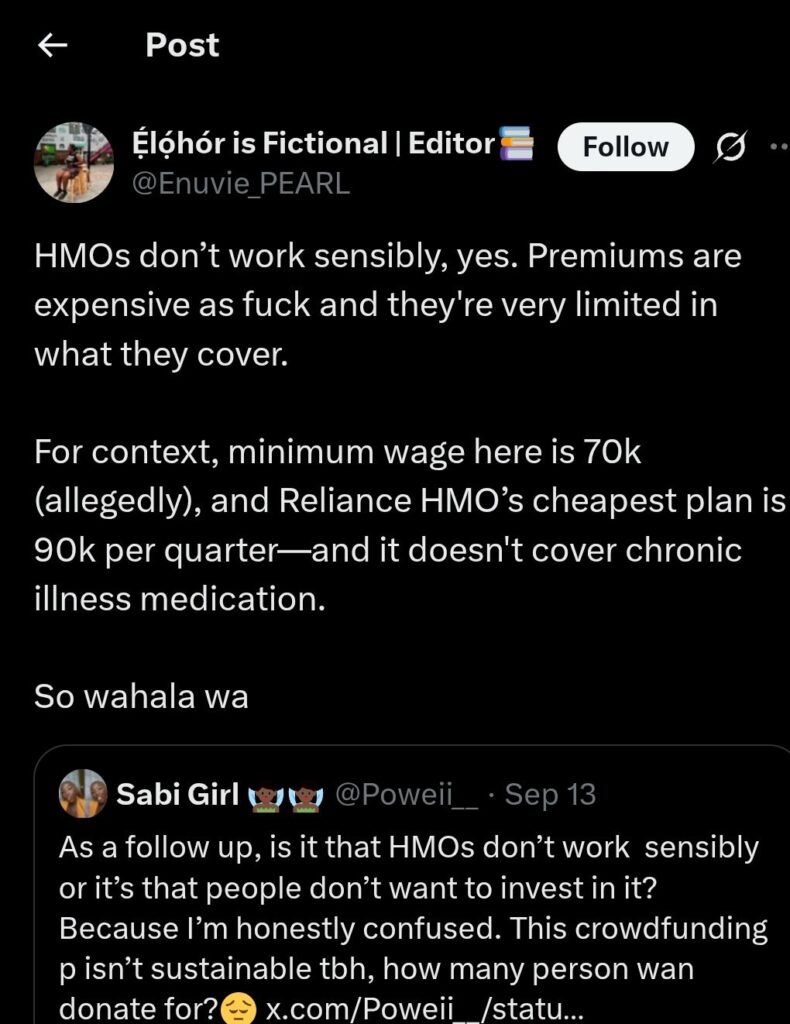
    Reliance HMO’s entry-level plan starts at ₦90,000 per quarter. While that’s positioned as affordable, it doesn’t cover chronic illness medication, a limitation that can be significant for anyone managing long-term conditions.


    For context, with Nigeria’s minimum wage at ₦70,000 per month, setting aside ₦90,000, for even basic coverage can be financially demanding. 

    Screenshot of a tweet about how Reliance HMO's cheapest plan is 90k per quarter

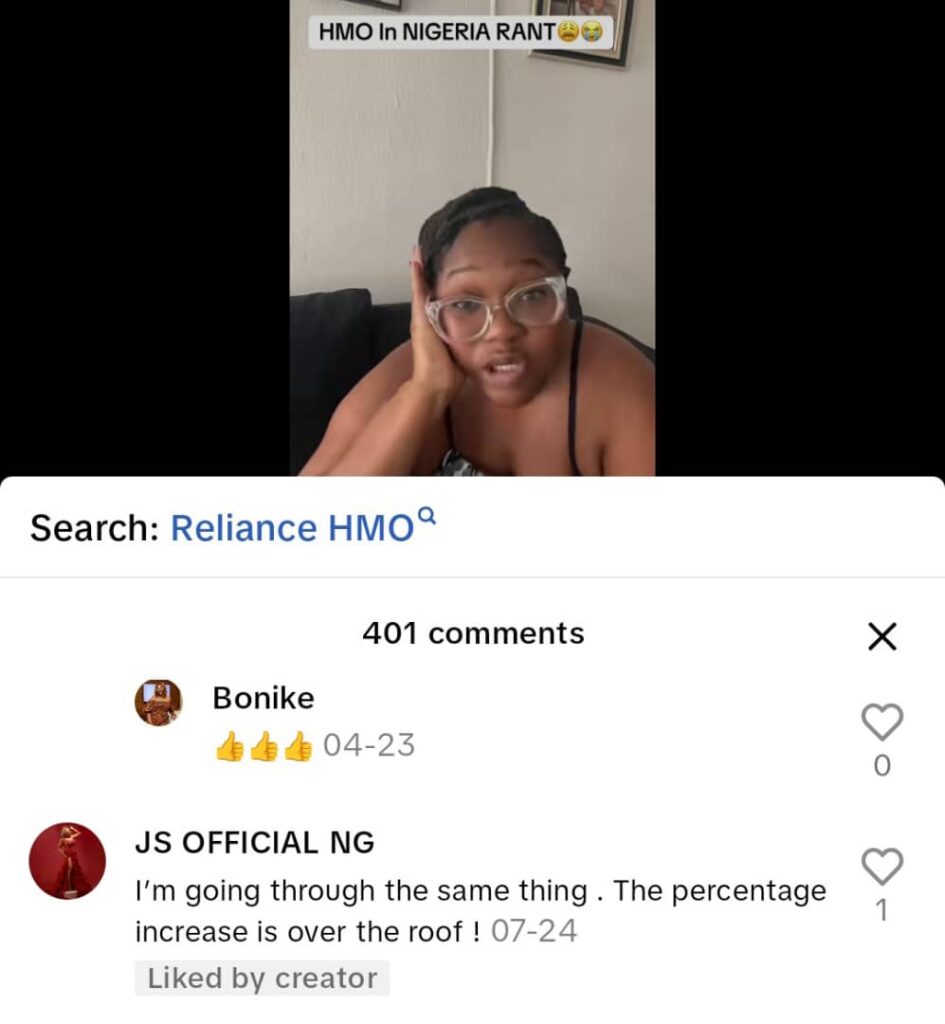
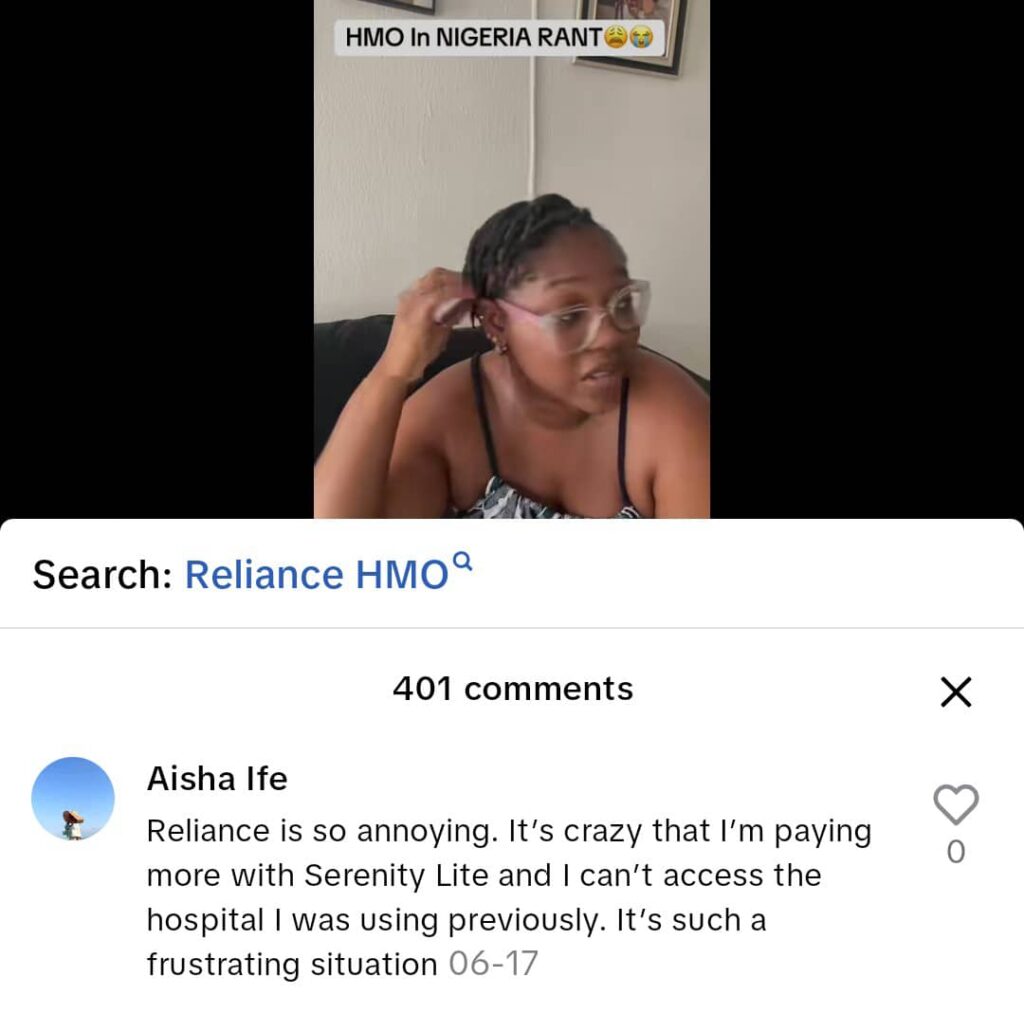
    Some users have also expressed concern about recent price adjustments and changes to available plan tiers. One customer shared that she had to choose between a ₦395,000 plan that included her preferred hospitals and a ₦90,000 option with limited access—a story that sparked wider discussions online about healthcare affordability in Nigeria.

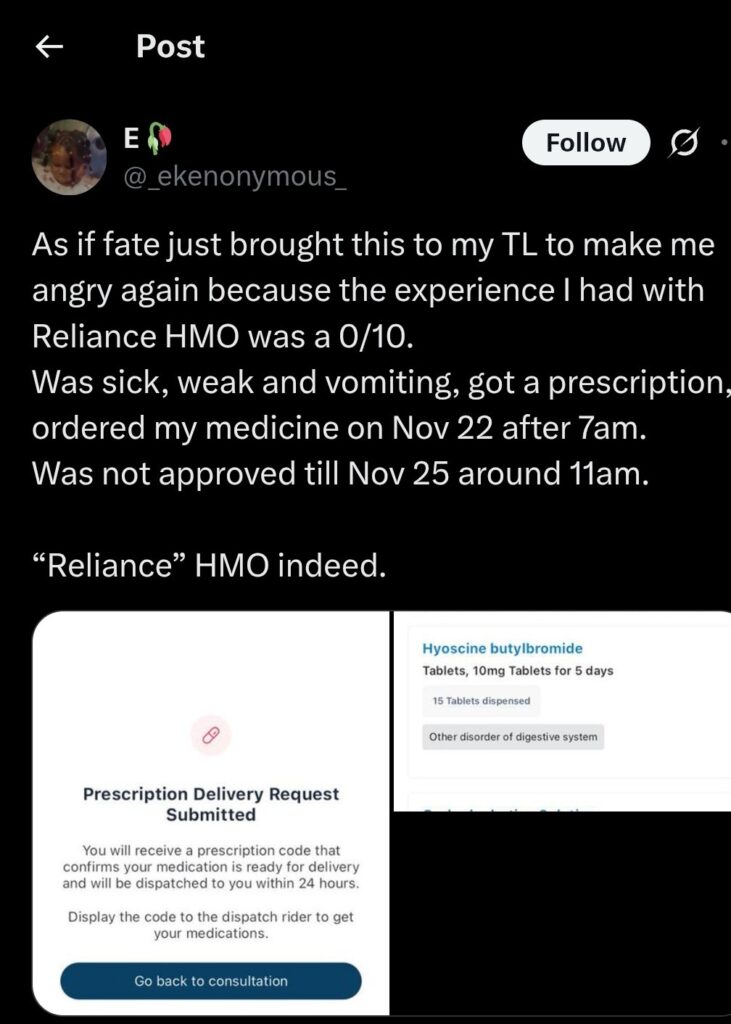
    2. Approval times and service delays

    A number of customers have also shared that getting treatment or medication approved can take longer than expected, even on premium plans. 

    Reliance HMO long waiting period

    Another user mentioned waiting several days for medication approval during an illness.

    Reliance HMO long waiting period despite medical emergency

    While these experiences may not represent every user’s outcome, they underscore the importance of improving response times and ensuring clearer communication around policy status, renewals, and approvals.

    3. Limited hospital network in some regions

    Reliance HMO advertises access to over 2,000 partner hospitals and clinics across Nigeria. However, some customers have found that their preferred hospitals were not included in the network. This makes it crucial to confirm hospital availability before signing up, since network reach remains one of the biggest factors influencing overall satisfaction with an HMO plan.

    What to consider before choosing a Reliance HMO alternative

    Before switching from Reliance HMO, you need to understand what truly matters for your healthcare coverage:

    1. Plan variety & flexibility

    Look for HMOs  offering diverse plans for individuals, families, SMEs, and large corporations. Your needs today might not be your needs next year, so flexibility matters.

    2. Hospital network reach

    Confirm the provider has strong hospital partnerships in your location. Check if your preferred hospitals are included and whether the network extends to areas where your family members live.

    3. Customer support & claims processing

    Fast, responsive customer support isn’t a luxury; it’s essential. Look for HMOs with 24/7 support, clear claims processes, and proven track records of timely approvals.

    4. Transparent pricing & coverage

    Understand exactly what’s covered from day one. Watch out for waiting periods, exclusions, and graduated benefits that limit your access to care when you need it most.

    The best Reliance HMO alternatives at a glance

    ProviderHospital NetworkPricing RangeFlexibility and FeaturesIdeal For
    My CoverGenius
    1,000+ hospitals

    Plans start from 7000 naira per month.
    Flexible payments (monthly/quarterly/annually), transparent coverage, digital onboarding via WhatsApp, telemedicine, and wellness benefits
    Individuals, SMEs, families, HR managers, and people managing chronic conditions
    AXA Mansard1,300+ hospitalsPlans range from ₦20,000–₦489,000 per yearStrong corporate plans, international coverage on select tiers, reliable claims handlingCorporates and professionals seeking comprehensive benefits
    Hygeia HMO1,800+ hospitals & 700 pharmaciesPlans range from ₦55,590–₦230,112 per yearLegacy provider, broad coverage for maternity and chronic care, good hospital relationships
    Families and established businesses wanting traditional reliability
    Leadway Health
    Nationwide coverage via Leadway Assurance network

    Medium–High pricing range

    Data-driven care management, preventive health focus,
    Large corporates, traditional businesses
    Avon Healthcare300+ hospitalsPlans start fro, ₦27,500+ per yearTiered plans for individuals and microbusinesses, solid offline support
    Budget-conscious professionals, small business owners, and families

    The best Reliance HMO alternatives in Nigeria for 2025

    1. MyCoverGenius


    If you’re looking for a Reliance HMO alternative that keeps the digital convenience but adds more flexibility and human support, MyCoverGenius is a strong contender. The Nigerian insurtech brand is redefining how people access insurance from health and auto to gadget and third-party coverage. Its digital-first platform allows users to buy, manage, and renew plans online or through WhatsApp, cutting out the paperwork and long approval chains that frustrate many Nigerians. 

    Among its offerings is the “Flexicare” health insurance plan, created to bridge the gap between affordability and quality care. It provides access to 1000+ hospitals nationwide and covers up to ₦1 million annually in medical bills, including outpatient, inpatient care, surgeries, maternal care, and telemedicine.

    While Reliance HMO pioneered app-based access to healthcare in Nigeria, MyCoverGenius goes a step further by prioritizing flexibility and transparency. All health insurance plans, for instance, can be paid monthly, quarterly or annually, a structure that aligns better with the financial realities of many Nigerians. 

    Another distinction is customer support. While many HMOs rely heavily on automated systems or typically slow response, MyCoverGenius combines digital convenience with responsive human support, helping customers navigate claims, hospital access, and benefit explanations more smoothly.

     MyCoverGenius pros 

    • Transparent coverage details that clearly outline what’s included and what’s not
    • Flexible payment options — monthly, quarterly, or annually
    • Seamless onboarding and support via WhatsApp and online channels
    • Access to 1,000+ hospitals and telemedicine services nationwide
    • Designed for individuals, families, SMEs, and corporate teams
    • Wellness add-ons like gym, spa, and telemedicine even on basic plans
    • Fast and reliable claims approval often within 24 hours

    MyCoverGenius cons

    • As a newer entrant in health insurance, long-term performance data is still growing
    • Some regional hospitals may have variable service levels 

    Who is MyCoverGenius best suited for

    MyCoverGenius is best suited for companies, SMEs, families and individuals, who value flexibility and digital convenience without sacrificing personal support. If you prefer to manage your healthcare online, spread payments across the year, and have access to straightforward coverage terms, MyCoverGenius stands out as a strong alternative to Reliance HMO.

    2. AXA Mansard Health

    If your main concern with Reliance HMO is network reliability or access to established hospitals, AXA Mansard is one of the strongest alternatives to consider. As part of the global AXA Group, the company brings decades of insurance experience and one of the widest healthcare networks in Nigeria.

    Unlike newer digital-first HMOs, AXA Mansard’s strength lies in scale and long-term partnerships with hospitals nationwide. This makes it particularly appealing to users who want predictable service delivery and fewer network-related surprises.

    Another area where AXA Mansard stands out is in its corporate and international coverage options. Some plans include emergency medical care abroad and tailored benefits for organisations, features that aren’t usually found in entry-level Reliance plans.

    That said, AXA Mansard’s structure and pricing reflect its traditional roots. While its plans are comprehensive, they’re often more expensive, and the onboarding process can feel slower compared to newer, app-based HMOs.

    Axa Mansard pros

    • Backed by a globally recognized insurer with strong financial stability
    • Broad hospital network and established provider relationships
    • International emergency coverage on select plans
    • Flexible plans for individuals, families, and corporates
    • Multiple access points (digital portal, customer service, in-person offices)

    Axa Mansard cons

    • Plans are significantly more expensive and it might take a while to get value especially on cheaper tiers. 
    • Onboarding and customer support processes may feel more traditional 
    • Occasional slower response times during high demand periods

    Who is AXA Mansard best suited for?

    Professionals, families, and organisations who prefer a well-established, large-scale HMO with dependable hospital access and comprehensive benefits, even at a higher price point.

    3. Hygeia HMO

    For anyone who values consistency and a proven track record, Hygeia HMO is one of the most trusted alternatives to Reliance HMO. With over 30 years in Nigeria’s healthcare space, Hygeia has built deep partnerships with hospitals across the country  long before digital health platforms became the norm.

    While Reliance offers a fast, app-based experience, Hygeia appeals to those who prefer structure, stability, and established relationships with healthcare providers. Its plans tend to go broader in coverage, especially for maternity, chronic illnesses, and specialist care areas where some Reliance plans can feel limited.

    In recent years, Hygeia has modernised parts of its operations with online plan selection and digital support channels. Still, its strength remains in dependable service and strong hospital partnerships rather than cutting-edge tech.

    Hygeia HMO pros 

    • Over 30 years of experience and one of Nigeria’s widest hospital networks
    • Strong coverage for maternity, chronic conditions, and specialist care
    • Transparent plan tiers for individuals, families, and businesses
    • Long-standing partnerships with top hospitals and clinics nationwide

    Hygeia HMO cons

    • Premium plans can be relatively pricey compared to newer HMOs
    • Digital experience is functional but less seamless than tech-first providers
    • Some users report slower turnaround times for claims or feedback

    Who is Hygeia HMO best suited for?

    Families, professionals, and organizations who want long-term reliability over digital flashiness. If you prefer an HMO with proven healthcare partnerships, stable coverage, and a strong reputation for consistency, Hygeia remains one of the most dependable alternatives to Reliance HMO.

    4. Leadway Health

    If you’re looking for a Reliance HMO alternative that combines strong corporate backing with modern healthcare delivery, Leadway Health is worth considering. A subsidiary of Leadway Assurance, one of Nigeria’s most reputable insurers, Leadway Health brings financial strength and structured care management together in one platform.

    Unlike Reliance, which leans heavily on tech-driven convenience, Leadway Health focuses on proactive healthcare, helping customers stay healthy rather than only responding when they fall ill. This emphasis on preventive care and data-driven coordination makes it stand out among traditional HMOs.

    Its digital tools for plan management, telemedicine, and benefits tracking are well-integrated, even if the onboarding process feels a bit more formal. While pricing sits slightly above entry-level Reliance plans, customers benefit from consistency, reliability, and long-term stability, especially for families or organisations that value predictable service.

    Leadway health pros

    • Backed by Leadway Assurance, ensuring strong financial and operational stability
    • Emphasis on preventive care and chronic illness management
    • Streamlined digital tools for plan management and telemedicine
    • Strong hospital partnerships nationwide
    • Transparent and data-driven claims process

    Leadway health cons

    • Premium plans are pricier than Reliance’s entry-level options
    • Limited budget-tier plans for lower-income users
    • Slightly more formal onboarding and documentation requirements

    Who is Leadway Health best suited for? 

    Families, professionals, and organisations who want a dependable, financially solid HMO that balances structure with digital convenience. If you prefer long-term reliability and a proactive approach to health management, Leadway Health is a solid alternative to Reliance HMO.

    5. Avon Healthcare Limited

    If you’re looking for a Reliance HMO alternative that strikes a balance between traditional reliability and modern accessibility, Avon Healthcare (Avon HMO) is a solid option. Avon caters to a broader audience from self-employed Nigerians using micro plans to families and small businesses seeking more comprehensive healthcare coverage. Its tiered plans make it easier for people to find something that fits their income level and medical needs without feeling boxed in.

    Avon also offers nationwide hospital access and dependable customer support, both online and offline. While its digital tools are less advanced than Reliance’s or newer insurtechs, many users appreciate the personal touch of being able to walk into an office or speak with a support agent when needed.

    Avon HMO pros

    • Wide variety of plans from micro to premium for individuals, families, and businesses
    • Good customer support through both digital and physical channels
    • Coverage includes maternity, chronic illness, and specialist care on select plans
    • Broad hospital network with nationwide reach

    Avon HMO Cons

    • Digital experience less intuitive than Reliance or newer insurtechs
    • Some plans require more documentation or manual sign-up steps
    • Claims processing can be slower during high-demand periods

    Who is Avon HMO best suited for? 

    Families, working professionals, and small business owners who want affordable, flexible coverage with the reassurance of strong offline support. If you prefer a more balanced HMO experience, part digital, part personal, Avon Healthcare is a dependable alternative to Reliance HMO.

    If you’re switching from Reliance and want to keep the digital ease but add in greater flexibility and transparency, MyCoverGenius offers a balanced alternative.

    Explore plans that fit you or your loved ones here

    How to switch from Reliance HMO to MyCoverGenius

    If you’re currently on a Reliance HMO plan and thinking about making a change, switching to MyCoverGenius is a straightforward process. You don’t have to worry about losing coverage or facing complex paperwork, the process is smooth, fast, and fully supported from start to finish.

    Here’s how to make the switch smoothly:

    1. Choose your new plan confidently

    Start by exploring MyCoverGenius plans online. You’ll find options for individuals, families, and businesses with coverage that also extends to auto, gadget, and group life insurance. If you have specific questions or need help choosing a plan, our team is available to guide you through the process.

    2. Review your Reliance HMO terms

    Before switching, check your current policy for:

    • Renewal or expiration dates
    • Pending claims or reimbursements

    Most HMOs allow you to switch providers once your plan is due for renewal, so timing it right ensures a smooth transition.

    3. Enrol with MyCoverGenius

    Once you’ve chosen your new plan:

    • Complete your online enrolment (it takes less than 5 minutes)
    • Upload any required documents
    • Make your first payment

    Your coverage becomes active within 24 hours of payment, so you can start accessing care almost immediately

    4. Make your transition seamless

    • Share your new policy details with your dependents or HR team (if applicable)
    • Save your new HMO ID card on your phone or access it anytime through your MyCoverGenius dashboard

    And that’s it — your switch is complete. You’ll have continued access to healthcare without any gaps in coverage, plus the added flexibility of managing your plan digitally or via WhatsApp.

    Make the switch to an HMO that actually suits your needs

    Healthcare is too important to settle for slow responses, hidden limits, or plans that fall short when it matters most. Whether you’re an HR manager seeking dependable coverage for your team, a small business owner managing costs, or a family prioritising quality care, MyCoverGenius offers flexible, reliable plans designed around your needs.

    Explore our health insurance plans or speak with our team and experience health insurance that actually works. 

  • The top 5 best HMOs in Nigeria (2026)

    The top 5 best HMOs in Nigeria (2026)

    Finding the best HMO in Nigeria can feel overwhelming, especially when your current HMO plan keeps letting you down. The surprise out-of-pocket costs pile up, your preferred hospital isn’t on the approved list, or you’re stuck waiting for days just to get a simple claim approved while still paying upfront.

    There has to be something better and there is.

    Most HMO providers in Nigeria look identical on paper until something goes wrong. That’s when the cracks show: slow customer support, excluded treatments you assumed were covered, or a hospital network that sounds impressive but doesn’t include quality facilities near you. The difference between a frustrating experience and genuine peace of mind often comes down to how HMOs handle the details that matter in real emergencies.

    This guide breaks down Nigeria’s top HMOs based on what actually matters when you need care;

    • transparent pricing,
    • real hospital access, 
    • claim speed, and the,
    • coverage extras that make a difference. 

    If you’re looking for affordable HMO plans in Nigeria for your family or a provider that delivers faster claims and better support, we reviewed dozens of options to help you find the five that truly stand out.

    Common problems with HMOs in Nigeria and when it’s time to switch

    Health insurance should give you peace of mind, not stress, confusion, or frustration. Here are the most common reasons most people start looking for alternatives to their healthcare provider in Nigeria:

    1. Cost transparency: Some HMO providers advertise affordable plans but load them with hidden charges or exclusions. Over time, it feels like you’re paying more for less.
    1. Limited hospital network: Nothing is more frustrating than falling sick only to realise your preferred hospital or specialist isn’t covered.
    1. Excluded conditions: Maternity care, dental, or chronic illnesses are often left out of basic plans, forcing families to pay heavily out of pocket.
    1. Poor customer support: Many users complain about not being able to reach their HMO when they need help the most.
    1. Slow claims processing: Long delays in authorisations and reimbursements turn what should be a lifeline into a headache.

    If you face any of these challenges, it’s a strong signal that you should consider switching. The Nigerian health insurance market is evolving, and there are providers in 2025 who do things differently, such as offering more transparent, flexible, and user-friendly plans.

    How to choose the best HMO in Nigeria: your decision checklist

    Before choosing a specific provider, it’s important to know what really matters to you when comparing plans. Use this checklist as your decision guide:

    1. Coverage breadth

    Start with the size and spread of the hospital network. Is it nationwide or limited to a few states? Do you get easy access to specialists and advanced care? Many HMOs restrict access to primary hospitals, which can leave you stranded when you need more than basic care.

    That’s why the best HMOs ensure you have a wide, reliable hospital network. For example, health insurance providers like MyCoverGenius provide coverage that extends to a wide hospital network across Nigeria, so you are never stranded.

    2. Affordability and flexibility

    A plan that appears inexpensive upfront may exclude essential services later. Look for transparent pricing where you know exactly what you’re paying for. MyCoverGenius offers clear, flexible plans for both individuals and businesses, allowing you to choose a package that precisely matches your needs.

    3. Extra features

    Does the plan cover maternity, dental, or chronic illness care? These are make-or-break benefits for many families. More progressive HMOs are adding these features to stay competitive in 2025.

    4. Customer support responsiveness

    When emergencies happen, seconds matter. Ask: How easy is it to reach them? A responsive support system can save time, money, and sometimes lives.

    5. Digital experience

    Gone are the days of paper forms and endless queues. Leading health insurance providers like MyCoverGenius, provide you with a digital-first experience so you can handle claims, updates, and questions without unnecessary back-and-forth. 

    See how MyCoverGenius measures up and choose the right plan for you

    What is the Best HMO in Nigeria in 2025?

    Choosing a health insurance provider in Nigeria usually starts with the familiar names — Reliance HMO, AXA Mansard, Hygeia, Leadway Health. But the real question isn’t just who’s popular, it’s who’s actually keeping up with how Nigerians access care in 2025.

    Today, the best HMOs combine wide hospital access with digital-first service, transparent pricing, and plans that actually fit your lifestyle, not just your budget. That’s where many of the older players are starting to show their gaps.

    The “best” plan ultimately depends on what you value most: affordability, coverage, digital access, or customer support. We reviewed a list of health insurance providers in Nigeria based on these four factors;

    • Pricing
    • Best for
    • Key limitations

    and here are the Top 5 Best HMOs in Nigeria for 2025:


    HMO Comparison Table

    HMO Provider Cost range Hospital Coverage Unique Features Activation Time
    MyCoverGenius Plans start at 7000 naira monthly. 1,200+ Hospitals – Access is based on your subscribed plan. Flexible for families, individuals and businesses; chronic disease coverage; mental health care; 24-hour telemedicine; Unlimited outpatient and inpatient care; network gym access 24 hours after you buy your plan.
    Reliance HMO Quote-based pricing 1,600+ Healthcare Providers – Each hospital falls under a category (A–D). The higher your plan, the more categories you can access. Key Account Manager for businesses; Preventive benefits Immediately after reviewing ID number or card
    AXA Mansard Plans start from 86,50 0 naira to 1,939,777 naira yearly 1,295 – 2,004 Hospitals – The category you can access depends on your selected health plan. Widest hospital network range; Multiple payment options (monthly, quarterly, yearly) Up to 48 hours after purchase online
    Hygeia HMO Plans start from ₦26,515 naira – ₦748,660 naira Hospitals are grouped into categories (A–D) to show their level of service. Your plan determines which categories you can use. Nutritionist coverage included; Permanent disability cover; Annual health checks; Telemedicine services 7-day wait time after payment is confirmed
    Leadway HMO Plans start from ₦104,998 – ₦1,559,000 naira Access to hospitals is determined by the plan you pay for. International coverage (India, UAE, Africa); GPS-enabled hospital directory 7-day waiting period

    1. MyCoverGenius

    If you’re looking for an HMO that reflects how people actually live and work in 2025, MyCoverGenius stands out for its digital-first experience and transparent approach to healthcare. The platform combines wide hospital access, flexible plan options, and clear communication making it a modern alternative to more traditional HMOs.

    MyCoverGenius pros

    • Affordable plans without compromise: MyCoverGenius offers competitive pricing without cutting corners on coverage. Individuals, families, and businesses can access comprehensive plans with the option to pay monthly, reducing the burden of large upfront costs.
    • Extensive hospital network: With access to over 1,200+ hospitals across Nigeria, users can easily find care near where they live, work, or travel. The broad network ensures convenience and reliability, especially for those who move around frequently.
    • Transparent pricing and coverage: The platform is upfront about what each plan covers and what it doesn’t. By clearly listing costs, benefits, and exclusions, MyCoverGenius removes the frustration of hidden fees or surprise claim denials.
    • Fast, digital claims process: Users can submit and track claims online, significantly reducing waiting times. The process is built for speed and simplicity, which makes it appealing to people who value efficiency and minimal paperwork.
    • Tailored plans for real-world needs: From individual plans to corporate and family options, MyCoverGenius structures coverage around lifestyle and budget. HR managers, for instance, can manage team health plans digitally, while individuals can choose flexible coverage that grows with their needs.
    • Responsive, empathetic support: Customer feedback highlights quick response times and a willingness to resolve issues fast, a key differentiator in an industry where support delays are common.

    MyCoverGenius cons

    • Limited reach in rural areas: While coverage is expanding, access may still be limited in remote parts of the country compared to older, more established HMOs.
    • Heavily digital experience: The convenience of a digital platform can be a drawback for users who prefer in-person interactions or are less comfortable managing healthcare online.
    • Relatively new: As a relatively new player in the health insurance space, MyCoverGenius is still establishing its reputation among older customers who tend to lean toward long-standing names like Hygeia or Leadway.

    2. Reliance HMO

    Reliance HMO pros

    • Strong focus on corporate and group plans, ideal for businesses managing employee health.
    • Offers comprehensive wellness coverage, including neonatal care and chronic condition management.
    • Access to a large hospital and provider network across Nigeria.
    • Emphasis on preventive care and health education programs.

    Reliance HMO cons

    • No longer offers individual or family plans, limiting accessibility for personal users. This shift means individuals and families seeking affordable health coverage will need to explore Reliance Health alternatives in Nigeria that still provide personal plans.
    • Corporate-only structure may not fit freelancers, startups, or households.
    • Some users report less flexibility compared to newer, digital-first HMOs.

    3. AXA Mansard HMO

    Axa Mansard pros

    • Wide hospital network (1,000+ across Nigeria).
    • Multiple tiered plans (Bronze to Rhodium) for different budgets.
    • Backed by a strong insurance brand with financial stability.
    • Plans include comprehensive benefits like specialist care and emergency cover.

    Axa Mansard cons

    • Users report difficulties when trying to access care at partner hospitals.
    • Customer support response times can be slow during emergencies.
    • Some users find claims processing cumbersome.
    • Service experience varies significantly between partner hospitals.

    4. Hygeia HMO

    Hygeia HMO pros

    • One of Nigeria’s oldest and most trusted HMOs, with decades of market experience.
    • Wide range of plans for different budgets, from basic to premium.
    • Covers chronic conditions and private ward access in higher-tier plans.
    • Known for reliability and consistent service.

    Hygeia HMO cons

    • Limited digital innovation — users expect more online access and app-based management.
    • Some plans have narrow hospital networks in smaller cities.
    • Customer experience can feel dated compared to modern, tech-enabled HMOs.

    5. Leadway Health HMO

    Leadway Health pros

    • Backed by Leadway Assurance, a trusted name in Nigeria’s insurance industry.
    • Offers individual, corporate, and premium plans, giving flexibility.
    • Strong focus on structured health management and preventive care.
    • Transparent pricing and a growing hospital network.

    Leadway Health cons

    • Customer experience consistency varies across hospital partners.
    • Some users report slow claims or delayed authorisations.
    • Digital tools and app experience are still developing compared to newer entrants.
    • May feel more traditional in service delivery than emerging, digital-first HMOs.

    The ideal HMO should strike a balance: affordable enough to fit your budget, yet reliable enough to give you quality care when you need it. Many popular providers force customers to choose between cutting costs and getting premium benefits. MyCoverGenius fills that gap in 2025

    How to easily switch from your old HMO to a new one

    Switching from your old HMO to a new one doesn’t have to be complicated. Here’s a step-by-step guide to make the process smooth, no matter which provider you choose:

    1. Gather your current plan details: Take note of your current coverage, benefits, exclusions, and any pending claims. Understanding your existing plan will help you compare alternatives effectively. Ensure all claims or reimbursements with your current HMO are submitted and resolved. This avoids delays or complications during the transition.
    1. Compare alternative HMOs: Look at hospital networks, pricing, extra benefits (like maternity, dental, or chronic illness cover), and customer support. 
    1. Enrol with your new HMO: Follow the enrollment process for your chosen provider. Submit necessary documentation and complete any identity verification and payment steps.
    1. Activate coverage: Once enrollment is confirmed, your new plan should be active within hours or a few days, depending on your provider. You’re ready to enjoy improved benefits, wider coverage, and better support.

    Why switching to MyCoverGenius is even easier

    While these steps apply to any HMO, switching to MyCoverGenius is particularly seamless. Here is what you will need:

    • Pick a plan that suits your needs, make payment, and sign up online in minutes. No stacks of forms or in-person visits needed.
    • Your HMO ID is issued instantly, which is how you will be able to access care at hospitals.
    • Your coverage is activated and live for you to use in just 24 hours after signing up.

    Make the switch today and experience better health care

    Finding dependable healthcare shouldn’t be this hard. You deserve health coverage that’s simple, reliable, and built around your real needs, not endless paperwork or delayed claims.

    With MyCoverGenius, you get a provider that delivers its promises to you, access to flexible plans designed for individuals, families, startups and businesses, and a wide network of hospitals. On top of that, you’ll enjoy fast, digital claims processing for a seamless experience whenever you need care.

    Make the switch today to healthcare that works for you.

  • Family health insurance in Nigeria: How to choose the right plan for your family   

    Family health insurance in Nigeria: How to choose the right plan for your family   

    It usually begins with something small: a cold fever that lingers, a late-night hospital run for your child, or a spouse who suddenly falls ill. Then comes the rush to find a good hospital and the quiet worry about how much the bills might cost. For many Nigerian families, this moment feels routine but it shouldn’t be.

    Healthcare in Nigeria can be unpredictable, and with the rising costs of affordable healthcare in Nigeria, getting family health insurance is one of the most practical ways to protect your loved ones. The right plan helps your family plan ahead, so that when illness strikes or a health challenge strikes, your first thought is care, not cost.
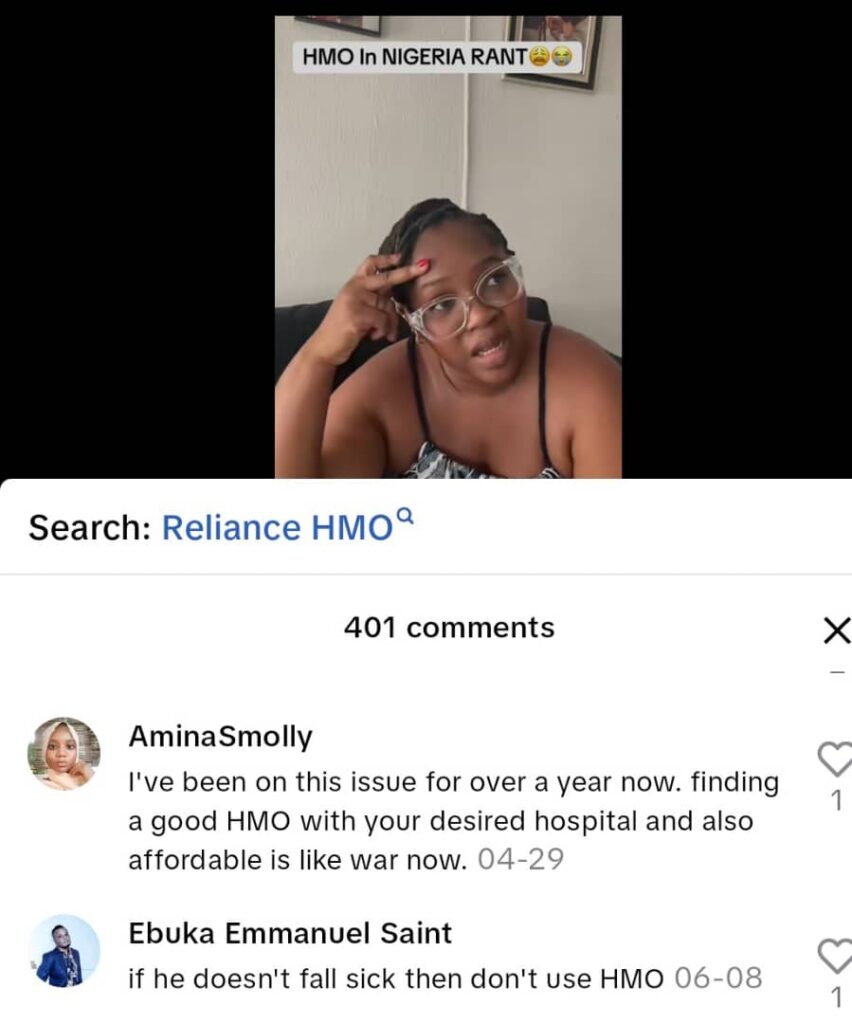
    If you’ve ever wondered how to find the right plan, one that actually fits your family’s needs and budget, this guide will walk you through exactly what to look for and how to get started confidently.

    How family health insurance protects Nigerian families from unexpected medical costs

    Healthcare in Nigeria can be unpredictable and expensive. A single hospital visit can wipe out months of savings, especially if more than one family member falls sick. Many Nigerian families still have to pay out of pocket, forcing tough choices between getting quality health care and other essentials.

    Here’s how a family health insurance plan can protect your loved ones and your finances in practical, real-world ways:

    1. It helps you plan for the unexpected


    Medical emergencies don’t wait until payday. With a reliable family health insurance plan, you don’t have to borrow money or delay treatment when someone suddenly falls ill. Instead, your plan covers the cost of consultations, tests, and hospital admissions within your provider’s network.


    Luckily, there are many affordable health insurance plans in Nigeria, for example Zencare by MyCoverGenius allows you to purchase a family health insurance plan starting from ₦7,000 per month, per individual, offering healthcare coverage that ensures care comes first.

    2. It protects your savings from unexpected hospital bills


    Even a short hospital stay in a private facility can cost hundreds of thousands of naira. Without health insurance, that money often comes from savings meant for school fees or household needs. Getting family health insurance spreads that risk. You pay a predictable amount every month or year, while your insurer covers the major costs when treatment is needed. It’s one of the simplest ways to avoid medical debt and financial shocks in a health crisis.

    3. It supports ongoing care for chronic conditions

    If someone in your family is managing diabetes, hypertension, or asthma, you already know how expensive continuous medication and tests can be. A good family health insurance plan helps you stay consistent with care, so you’re not skipping appointments or prescriptions because of cost.

    Some comprehensive health insurance plans in Nigeria like Primecare by MyCoverGenius offer higher limits for chronic conditions, cancer treatment, and surgeries, making them ideal for families seeking long-term health stability.

    4. It keeps every member of your family covered


    The right insurance plan extends protection to everyone, parents, children, and even elderly dependents.  From routine check-ups and lab tests to emergency care and surgeries, you get access to a network of partner hospitals without worrying about upfront payment.  Many modern health insurance plans in Nigeria now include telemedicine services, allowing families to speak with licensed doctors anytime, anywhere even at night or from remote areas.

    And if you live abroad but still want to buy health insurance for your family back home in Nigeria, options like SendCare by MyCoverGenius make that possible. It’s a simple, secure way for Nigerians in the diaspora to ensure their parents or dependents at home are covered without worrying about distance or logistics.

    5. It gives peace of mind in uncertain times


    Knowing your family is covered means you can make healthcare decisions confidently, without the fear of unexpected costs. Whether it’s a midnight fever or a sudden diagnosis, you can focus on recovery, not on raising funds.

    Types of family health insurance in Nigeria

    Before choosing a family health insurance plan, it helps to understand the main types available in Nigeria and what they mean for your access to care, flexibility, and cost.


    Here’s a breakdown of the three main types of health insurance plans Nigerian families can choose from and how to know which one fits your needs best.

    1. HMO Plans (Health Maintenance Organization Plans)

    How it works: An HMO plan connects you to a network of approved hospitals and clinics. When you or a family member needs care, you simply visit any hospital on the list, show your HMO ID, and receive treatment without paying upfront.

    Why it’s great for families: It’s predictable and stress-free, with no surprise bills or emergency borrowing. It’s also the most affordable and common type of family health insurance in Nigeria, ideal for everyday healthcare needs like check-ups, lab tests, and emergencies.

    What to consider: You’re limited to your provider’s hospital network, so it’s smart to check whether your preferred clinics or hospitals are included. If you value convenience and want cashless access to care, this is likely the best fit.

    2. Traditional insurance plans

    How it works: You have the freedom to visit any hospital, even private or government owned. You pay the bills first and then request reimbursement from your insurer later.

    Why it helps: It gives you full control and flexibility over your choice of hospitals, doctors, and specialists, something some families prefer for complex or international care.

    What to consider: It’s less common in Nigeria and can be cash-intensive upfront, since reimbursement can take time. If your family travels often or uses high-end private hospitals, this model offers flexibility but expect higher costs.

    3.Hybrid model

    How it works: A hybrid model blends both options. You enjoy the convenience of HMO-style hospital access, but can also visit hospitals outside the network when needed often at partial reimbursement or a higher tier of coverage.

    Why it’s valuable:
    It gives families the best of both worlds cost efficiency for routine care, and flexibility for specialized treatment.

    What to consider:
    These plans are typically priced higher but offer broader coverage and peace of mind for families with diverse health needs.

    How to choose the right family health insurance plan

    Choosing the best family health insurance plan in Nigeria isn’t just about finding the cheapest or most popular option but selecting coverage that truly fits your family’s medical needs, lifestyle, and budget.

    Here’s a practical guide to help you make an informed choice:

    1. Understand your family’s health needs

    Start with your family’s health history and daily realities.
    Do you have young children who need regular pediatric care, immunisations, or emergency coverage? Or elderly parents who require ongoing management for chronic conditions like hypertension, diabetes, or arthritis?

    Your family’s stage of life often determines the kind of benefits that matter most.

    2. Review what’s covered and what’s not

    Don’t assume all plans include the same benefits. Some exclude key areas such as maternity, dental care, or prescription medication.
    Always read the policy details carefully to understand:

    • What treatments and conditions are included
    • Which services are capped or excluded
    • How much you’ll pay out-of-pocket for medications, tests, or specialist visits

    The best family health insurance plan is the one that covers what your family will actually use not just what sounds impressive on paper.

    3. Check the network of hospitals and clinics

    Access is everything. A good plan should connect you to trusted hospitals and clinics near you without long referral processes or hidden fees.
    Look for:

    • A wide hospital network (especially if you live outside major cities)
    • Access to Federal and Teaching Hospitals for advanced care
    • National Health Insurance Scheme (NHIS)-accredited providers for regulated, quality service

    If your family travels frequently or lives in multiple cities, ensure your plan includes nationwide or multi-state coverage.

    4. Balance affordability with quality of coverage

    It’s tempting to go for the lowest-cost plan but cheaper isn’t always better.
    A lower premium might save you money now but could lead to higher out-of-pocket costs later, especially during emergencies.

    Compare health plans not just by their price, but also by:

    • Coverage limits and annual benefits
    • Hospital access level (basic vs. premium networks)
    • Add-ons like telemedicine or preventive care options

    Think long-term: the best family health plan is the one that gives your family sustainable, reliable protection not short-term savings.

    6 core features to look for when choosing a family health insurance plan

    Not all family health insurance plans are the same. The best plan is one that covers the real health needs of your loved ones not just the basics on paper.

    When comparing options, here are six essential features to look for in a strong, reliable family health insurance plan in Nigeria:

    1. Inpatient (hospitalisation) care

    Hospital admissions, surgeries, and emergency treatments can quickly become expensive in Nigerian hospitals. A good plan should include comprehensive inpatient coverage, so if a family member is admitted, your focus stays on their recovery not worrying about daily hospital bills or deposits.

    2. Outpatient services

    Routine doctor consultations, lab tests, and minor treatments add up faster than most people expect. Plans with solid outpatient coverage make it easier to manage everyday health needs from check-ups to prescriptions without dipping into savings.

    3. Pediatric and childcare benefits

    Children require frequent medical attention, vaccinations, growth monitoring, and occasional emergencies. Ensure the plan includes pediatric services as part of standard coverage, not as optional extras. It’s also worth checking if the plan covers specialist pediatric care for conditions like asthma or allergies.

    4. Maternity and newborn care

    If your family is growing, maternity benefits are a must. Look for coverage that includes antenatal visits, delivery costs (normal and caesarean), postnatal care, and newborn check-ups. Some plans even extend coverage to newborns for a limited period after birth, a valuable feature for new parents.

    5. Emergency and telemedicine services 

    Medical emergencies don’t wait for office hours. Your plan should provide 24-hour emergency response including ambulance services and access to telemedicine, allowing you to speak with a doctor anytime, anywhere. This is especially important for families living in areas where hospital access may be limited.

    6. Preventive and wellness care

    The best health insurance plans go beyond treating illness, they also help you prevent it. Look for coverage that includes annual check-ups, preventive screenings, immunisations, and wellness programs. Early detection and preventive care can reduce long-term costs and keep your family healthier overall.

    When comparing family health insurance plans, make sure these six features are clearly included in your policy coverage .

    Plans like ZenCare or PrimeCare by Mycovergenius combine inpatient, outpatient, maternity, and preventive care, providing all-round protection for families who want reliable, long-term coverage both for expected needs and medical surprises.

    How to buy a family health insurance plan in Nigeria

    Buying a family health insurance plan in Nigeria is easier than it used to be, especially with the rise of online platforms and HMOs. Here’s a simple, step-by-step guide to help you choose and buy the right plan for your family:

    Step 1: Research and compare plans

    Start by reviewing multiple health insurance providers in Nigeria.
    Most insurers, including MyCoverGenius, have online tools that allow you to compare family health insurance plans side by side including coverage limits, premiums, waiting periods, and claims processes.

    Pro tip: Focus on what truly matters: hospital network access, coverage for chronic conditions, maternity benefits, and emergency care. These details affect how practical the plan will be for your family.

    Step 2: Understand requirements

    Before applying, make sure you know what’s required.
    Typically, you’ll need:

    • A valid ID (NIN, passport, or driver’s license)
    • Basic family details (names, ages, relationships)
    • Optional: medical history or health checks for older members or those with existing conditions

    Having these ready in advance helps you complete your application faster and more accurately.

    Step 3: Review policy terms carefully

    Before you pay, take time to read through the terms and conditions especially:

    • Exclusions: what’s not covered (e.g. dental, cosmetic surgery, or certain pre-existing conditions)
    • Waiting periods: how long before coverage starts (maternity and chronic illness often have waiting times)
    • Claim process: how to request care or reimbursement if needed

    Understanding these details ensures you know what to expect before an emergency arises.

    Step 4: Enroll and activate

    Once you’ve made your choice, complete the enrollment form and make your first payment. Most providers will send you a digital health ID card or policy confirmation email once your plan is active. Keep in mind that some benefits may take a few weeks or months to activate so plan ahead, especially if you’re enrolling family members who may need care soon.

    Step 5: Start using your benefits

    After activation, you can begin accessing hospitals, clinics, or telemedicine services included in your plan. Save your provider’s emergency contact numbers and hospital list in an easy-to-find place and check your app or portal regularly for updates.

    If you are still researching providers, check our latest breakdown of the top HMO plans in Nigeria for 2025 to make an informed decision for your family.

    Get your family health insurance plans today – Protect what matters most 

    Protecting your family’s health doesn’t have to be complicated but it does require being prepared. The best time to get coverage is before you need it.

    Thankfully, today family health insurance in Nigeria is more accessible than ever. Most providers now offer online enrollment, flexible payment options, and instant access to hospital networks making it easier for families to find the right balance between affordability and quality care.

    Whether you’re just starting with basic coverage or looking for a plan that supports long-term health needs, the key is to act early and choose a provider you can trust.

    At MyCoverGenius, we’ve made that process simple. You can explore, compare, and buy family health insurance plans in Nigeria online from affordable packages like FlexiCare to more comprehensive options like ZenCare and PrimeCare that cover chronic conditions, maternity, and emergency care.

    Don’t wait until a medical emergency forces a decision. Take a few minutes today to find a plan that gives your family lasting peace of mind and access to quality healthcare when it matters most.

    Explore our family health plans at mycovergenius.com to get started.

  • HMO Costs in Nigeria: Why Affordable Health Insurance Still Feels Out of Reach

    HMO Costs in Nigeria: Why Affordable Health Insurance Still Feels Out of Reach

    Rising HMO costs in Nigeria have become a critical challenge for many families. As economic pressures increase, thousands of Nigerians find themselves priced out of basic medical coverage. The gap between what families can afford and what providers charge has reached crisis levels, forcing parents to make impossible choices between financial security and their children’s healthcare.

    Annual health insurance in Nigeria premium plans now range from ₦500,000 to ₦900,000 for comprehensive family coverage, while quarterly payments can reach up to ₦395,000. For families navigating Nigeria’s economic realities, these figures represent more than healthcare costs; they are significant barriers to essential services.

    Why HMO Costs in Nigeria Remain High

    The true scale of Nigeria’s health insurance affordability problem became starkly visible in a viral TikTok video in April 2025.  The creator, Bonike, a stay-at-home mother, shared her frustration on TikTok after her HMO provider eliminated retail plans and dramatically increased prices. Her options were either a ₦395,000 quarterly plan that covered her preferred hospitals or a ₦90,000 plan that offered limited coverage. 

    Her video resonated with a lot of Nigerians facing the same struggle. This frustration is understandable when you consider that only 19% of adult Nigerians have health insurance coverage, according to a recent NOIPolls survey.

    @aprokodoctor, Nigeria’s leading health influencer, wrote: “This is a very important conversation that should take the front seat… healthcare and affordability with the recent economic realities. We all need to forge a way forward.”

    Sisi Yemmie, one of Nigeria’s most popular food and lifestyle creators, added: “I have been trying to get HMO for my family, but I do not like the stress.” 

    @JS Official NG: “I’m going through the same thing. The percentage increase is over the roof!”

    @Aisha Life: “Reliance is so annoying. It’s crazy that I’m paying more with Serenity Lite and I can’t access the hospital I was using previously. It’s such a frustrating situation”

    @Amina Smolly: “I’ve been on this issue for over a year now. Finding a good HMO with your desired hospital and also affordable is like war”

    These reactions highlight that rigid payment structures, restricted hospital networks, and long waiting periods make health insurance in Nigeria feel inaccessible for many families.

    Common Barriers in HMO Plans in Nigeria 

    Several key issues contribute to high HMO costs in Nigeria:

    • Inflexible Payment Structures: Traditional providers often require annual lump-sum payments exceeding ₦500,000, a model designed for corporate clients that excludes individual families.
    • Limited Hospital Networks: Affordable plans frequently exclude preferred hospitals, forcing people to choose between cost savings and quality care.
    • Extended Waiting Periods: Some plans impose 14-30-day waiting periods before benefits activate, leaving families vulnerable during critical early coverage weeks.
    • Complex Plan Structures: Insurance products designed for corporate purchasing prove difficult for individuals to understand and navigate.

    How MyCoverGenius is Making Affordable Healthcare in Nigeria a Reality 

    Recognizing the common challenges families face with HMO plans in Nigeria, MyCoverGenius provides practical solutions to make affordable healthcare in Nigeria more accessible. Our solutions address issues such as rigid payment structures, limited hospital access, waiting periods, and complex plan options.


    Families can choose from a variety of plans tailored to different needs:

    These structured options enable families to choose plans that suit their specific circumstances, offering flexible payment options, immediate benefit activation, and access to preferred hospitals, thereby directly addressing the barriers that make health insurance in Nigeria feel out of reach.

    The Future of HMO Costs in Nigeria  

    The conversation sparked by Bonike’s TikTok post shows that this is not an isolated frustration but a systemic issue affecting families across the country. Features such as flexible payments, immediate coverage, and patient-focused hospital networks prove that accessible insurance is possible without compromising care.

    Bonike’s struggle reflects the reality that many Nigerian families face daily. Understanding her frustration, we’ve invited her to our MyCoverGenius office to explore our HMO plans that could work better for her family’s needs and budget.

    However, individual solutions alone aren’t enough. Real change will require new rules for clearer pricing, government support for families who can’t afford coverage, and hospitals finding more affordable ways to deliver quality care, so that health insurance becomes something every Nigerian family can actually afford.

  • Auto Insurance in Nigeria: Costs, Types, and Benefits

    Auto Insurance in Nigeria: Costs, Types, and Benefits

    Driving in Nigeria presents its own set of challenges. From heavy traffic in cities like Lagos and Abuja to unpredictable road conditions in rural areas, owning a car is both a convenience and a responsibility. Accidents, theft, floods, and fire damage can occur unexpectedly. This is why securing auto insurance in Nigeria is so very crucial. It is not just a legal requirement; it also safeguards your vehicle, finances, and gives you peace of mind.

    For first-time car owners or individuals considering a change in their auto insurance coverage, understanding the costs, types, and benefits of auto insurance in Nigeria is really important. Gaining a clear understanding of how each policy works helps you make informed decisions and ensures adequate protection every time you drive.

    What is Auto Insurance in Nigeria?

    Auto insurance offers protection for your car and covers the costs of repairs or losses from accidents, theft, or other unforeseen events. Essentially, it is an agreement between you and an insurance company, where you pay a premium in exchange for coverage against certain risks.

    Think of it like this: you pay the insurance provider a set amount regularly, and in return, if your car is damaged in an accident, stolen, or affected by fire or flooding, the insurance company helps cover the repair or replacement costs. It also steps in if someone else’s car or property is damaged in an accident you caused, or if someone gets injured and medical bills need to be paid. Even events like hailstorms, floods, or theft of valuable accessories from your vehicle can be covered, depending on your policy.

    In simple terms, auto insurance acts as a safety net. Without it, a single accident or unexpected event could cost thousands or even hundreds of thousands of naira out of pocket. Having the right insurance plan allows you to stay on the road with peace of mind, knowing both your finances and legal obligations are taken care of.

    At a minimum, Nigerian law requires all vehicles to have third-party coverage, as mandated by the National Insurance Commission (NAICOM). This ensures that if an accident occurs, victims receive compensation for bodily injury or property damage. Beyond legal compliance, modern insurance policies in Nigeria offer additional benefits such as auto insurance with tracking, theft protection, and flood cover, helping drivers feel confident and secure.

    Types of Auto Insurance Policies in Nigeria

    Selecting the right coverage depends on your vehicle, usage, and budget. The main options available in Nigeria include:

    Third-Party Auto Insurance in Nigeria

    Third-party auto insurance in Nigeria is the most basic plan and satisfies legal requirements. It covers:

    • Bodily injury or death to third parties
    • Property damage caused to others

    It is the most affordable option, with auto insurance costs in Nigeria typically around ₦15,000 per year for private cars. This plan is ideal for drivers seeking cheap auto insurance in Nigeria that meets legal requirements without unnecessary extras.

    Third-party coverage is particularly suitable for cars with lower market value or owners seeking minimum protection. It ensures compliance with the law while providing peace of mind that others affected by accidents are protected.

    Mini Comprehensive Auto Insurance

    Mini comprehensive insurance offers more protection without a large increase in premiums. This type of insurance generally includes:

    • Third-party liabilities up to ₦3,000,000
    • Accidental damage to your vehicle up to ₦500,000

    This option is great for car owners seeking affordable auto insurance in Nigeria that goes beyond basic legal requirements. It protects against minor accidents, vandalism, and other risks.

    For example, a car valued at ₦1,500,000 could be covered under a mini comprehensive plan for about ₦25,000 per year. The policy is widely available online, making it easy to compare providers and purchase quickly.

    Comprehensive Auto Insurance in Nigeria

    Comprehensive auto coverage, or full auto insurance, provides the highest level of protection. Policies typically cover:

    • Full third-party protection
    • Coverage for any damage to your own vehicle resulting from accidents, with compensation based on the car’s insured value
    • Theft, fire, and flood damage
    • Optional features such as vehicle tracking or roadside assistance

    Comprehensive coverage offers the highest level of protection for your vehicle and is often considered full auto insurance in Nigeria. The cost of this type of coverage depends on the vehicle’s value, typically ranging from 3% to 7% of the car’s insured value per year.

    For example, a car valued at ₦5,000,000 may have an average auto insurance premium in Nigeria between ₦150,000 and ₦350,000. Many reliable auto insurance providers in Nigeria also offer flexible payment options, allowing you to pay monthly for easier budgeting.

    This policy is ideal for high-value vehicles, business fleets, or anyone looking for comprehensive protection. Some plans include additional features like theft protection and flood coverage, providing drivers with extra security against accidents, natural events, and other unexpected risks on the road. 

    Third-party only goes so far. Make sure your car is protected, not just the other driver’s. Explore affordable comprehensive plans. Check Plans now

    How Much is Auto Insurance in Nigeria?

    The price of auto insurance in Nigeria depends on the coverage type, the value of your vehicle, and other risk factors. A quick breakdown of typical costs looks like this:

    • Third-Party Insurance: ₦15,000 per vehicle per year
    • Mini Comprehensive Insurance: Usually costs about ₦25,000 per vehicle per year
    • Comprehensive Insurance: Calculated as a percentage of your car’s value, often ranging from 3% to 7% annually

    Several elements influence the price you’ll pay, including the age and type of your vehicle, its market value, your location, and any safety features installed. Cars in areas with higher accident or theft rates, or those without security measures, may incur higher premiums.

    While cheap auto insurance in Nigeria is understandable, it’s important not to compromise on essential protection. For frequently used cars or higher-value vehicles, choosing a more complete policy can save you from significant financial losses in the event of an accident, theft, or other unexpected damage.

    Wondering what you’ll pay? Estimate your premium instantly and see plans that match your budget. Calculate Premium.

    Benefits of Auto Insurance in Nigeria

    Understanding the benefits of auto insurance in Nigeria helps you see why coverage is more than a legal requirement. The advantages extend beyond compliance and offer both financial and personal protection:

    • Financial Security: Auto insurance coverage ensures that repair costs, medical expenses, and legal liabilities arising from accidents are covered. Without insurance, these expenses can be overwhelming.
    • Peace of Mind: Knowing that your vehicle is protected against theft, fire, floods, or accidents allows you to drive confidently without constant worry about potential losses.
    • Protection for Others: Policies like third-party auto insurance in Nigeria safeguard other road users by covering damages or injuries you might cause. This ensures responsible driving while protecting your finances.
    • Customizable Coverage: Modern insurance plans allow you to choose add-ons like flood protection, theft protection, or vehicle tracking, tailoring coverage to your specific needs.
    • Support in Emergencies: Many insurers offer roadside assistance, quick claims processing, and support for accident documentation, making the claims process simpler and faster.

    Having proper auto insurance is not just about meeting legal requirements; it is an investment in security, convenience, and long-term financial stability.

    Requirements for Auto Insurance in Nigeria

    Before you can secure coverage, it is important to be aware of the documents required for auto insurance in Nigeria. Having these ready helps ensure a fast and smooth application process. Commonly requested documents include:

    • A valid driver’s license
    • Vehicle registration certificate
    • Proof of ownership or bill of sale
    • National Identity Number (NIN)
    • Bank Verification Number (BVN)

    Some insurance providers may also ask for additional details, such as your previous claims history or vehicle inspection reports, depending on the type of policy you choose.

    Understanding how to get auto insurance in Nigeria starts with preparing these documents. Once you have them, you can easily submit your application online or at an insurance office, select the type of coverage you need, and complete the payment to receive your insurance certificate. Being prepared ensures a faster, hassle-free process and helps you start driving legally and confidently.

    Choosing the Best Auto Insurance in Nigeria

    Selecting the best auto insurance requires balancing coverage, reliability, and affordability. 

    Here’s how to make the right choice:

    • Reputation and Reliability: Look for insurers with a proven track record and positive customer reviews. Top auto insurance companies in Nigeria typically have transparent processes and strong support systems.
    • Coverage Options: Ensure the provider offers policies that match your needs, whether it’s third-party, mini-comprehensive, or full coverage. Additional options like flood cover or vehicle tracking can add extra protection.
    • Pricing and Affordability: Compare premiums to find affordable auto insurance without compromising essential benefits. Sometimes paying slightly more ensures better protection.
    • Customer Service: Quick response times and helpful support are vital for filing claims or resolving policy questions.
    • Additional Services: Some insurers provide perks such as roadside assistance, digital insurance certificates, and bulk processing for multiple vehicles.

    Choosing the right provider ensures peace of mind and a smoother claims experience when you need it most. Compare plans below.

    Comprehensive Cover

    Mini Comprehensive

    Third-Party

    Extra Features and Add-ons

    Insurance policies today often include valuable extras that enhance protection and convenience:

    Auto Insurance with Tracking in Nigeria

    Vehicles equipped with tracking devices offer added security. Auto insurance with tracking may reduce premiums and improve claims handling, as insurers can locate vehicles quickly in cases of theft or accidents.

    Auto Insurance with Flood Cover in Nigeria

    Nigeria’s rainy season and occasional flooding make auto insurance with flood cover an essential add-on for many drivers, especially as highlighted in Nigeria’s flood risk report by NigerianEye. This coverage ensures that damages caused by water, storms, or flash floods are included in your claim, preventing unexpected financial burdens.

    Other add-ons may include roadside assistance, personal accident cover, or coverage for accessories, giving drivers more control over how much protection they receive.

    Conclusion

    Auto insurance in Nigeria is more than a legal obligation; it is a crucial tool for protecting your vehicle, finances, and peace of mind. Understanding the different types of policies, knowing the costs, and choosing the right provider can help you make confident decisions.

    Whether you opt for third-party auto insurance, a mini comprehensive plan, or full auto insurance, having the right coverage ensures you are prepared for unexpected events. By selecting a reliable provider and reviewing the benefits offered, including tracking, theft protection, and flood cover, you can drive safely knowing that you, your passengers, and your vehicle are protected.

    Start by preparing the necessary documents, comparing providers, and evaluating the coverage options that suit your vehicle and lifestyle. With the right approach, securing auto insurance becomes a simple, stress-free process that offers long-term security and peace of mind.

    Don’t wait until it’s too late. Protect yourself and your car today with comprehensive coverage. Get Covered Now.

    Auto Insurance FAQs

    How do I buy auto insurance online in Nigeria?

    Buying insurance online is simple. Choose a trusted provider, select the appropriate coverage, upload required documents, make a payment, and receive your insurance certificate digitally. Most platforms allow comparisons to find the best value.

    What documents are required for auto insurance in Nigeria?

    You will need a driver’s license, vehicle registration, proof of ownership, NIN, and BVN. Some providers may also request previous claims history.

    How much does auto insurance cost in Nigeria?

    Premiums vary by coverage type, vehicle value, and additional features. Third-party plans start around ₦15,000, mini comprehensive around ₦25,000, and full coverage ranges from 3%-7% of the vehicle’s value annually.

    What are the top auto insurance companies in Nigeria?

    Some of the most reliable providers include AIICO, Leadway, and MyCoverGenius. They are known for transparency, strong customer service, and comprehensive coverage options.

  • Comprehensive Car Insurance in Nigeria: Ten Benefits, Costs & Requirements 

    Comprehensive Car Insurance in Nigeria: Ten Benefits, Costs & Requirements 

    Owning a car in Nigeria means planning for more than just fuel and repairs. Without strong protection, a single accident, theft, or disaster could put a huge dent in your finances. While third-party insurance is the legal minimum, it leaves you exposed to risks that could easily drain your savings.

    That’s why many drivers choose comprehensive car insurance in Nigeria. Unlike the basic third-party option, comprehensive coverage not only protects other road users but also secures your own car and wellbeing. In a country where accidents, theft, and even flooding are part of everyday realities, having that kind of safety net gives you peace of mind. 

    What Is Comprehensive Car Insurance in Nigeria?

    Comprehensive car insurance is a type of auto policy that covers much more than the legally required third-party liability. It pays for damages to your own car, whether caused by a crash, a fire, or even vandalism. It also protects you against financial loss if your car is stolen or damaged by a natural disaster.

    You can think of it as complete coverage that shields you from unexpected financial burden. If something happens to your vehicle, you’re not left stranded or forced to cover the entire cost from your pocket. And because comprehensive car insurance in Nigeria rates vary depending on the insurer and the type of car you drive, you can often find an option that balances affordability with solid protection.

    Third-Party vs Comprehensive Insurance: Why It Matters

    Many car owners start out with third-party insurance because it’s cheaper and legally compulsory. But it’s worth pausing to ask: what happens if your car itself is damaged in an accident or stolen from your driveway? With third-party insurance, the answer is simple: you’re on your own.

    Comprehensive coverage changes that. It steps in where the third party stops. Not only does it meet the legal requirement of covering harm to others, it also protects your own car and, in some cases, your medical bills. That added protection can make all the difference when a serious incident occurs.

    Ten Key Benefits of Comprehensive Car Insurance

    Here are the ten benefits of comprehensive car insurance that make it worth considering for every Nigerian driver:

    1. Personal Accident Coverage: If you’re injured in an accident, your insurer provides financial support for medical treatment. Instead of facing hospital bills alone, you get help covering the costs according to your policy terms.
    1. Fire Damage Protection: Electrical faults, explosions, or lightning strikes can destroy a car in minutes. With comprehensive insurance, fire damage is covered, so you’re not left paying for repairs or replacement yourself.
    1. Third-Party Liability Coverage: This is the part that’s mandatory by law, but comprehensive plans include it automatically. Any harm or property damage caused to others by your car is handled by the insurer under this coverage.
    1. Accident Repairs for Your Car: Accidents can leave you with more than dents; they can drain your finances. A comprehensive policy covers the repair costs for your car, taking a big weight off your shoulders.
    1. Car Theft Protection: Car theft is a painful experience, both emotionally and financially. In the event of theft, your insurer provides compensation based on your car’s insured value.
    1. Add-ons and Premium Features: Comprehensive insurance allows you to personalize your coverage with extras like roadside assistance or replacement car cover.
    1. Car Insurance with Car Tracking in Nigeria: Car tracking has become one of the most sought-after extras in the Nigerian insurance market. Insurers can install a GPS tracker in your car, making it easier to recover if it is stolen. Some companies even reward you with lower premiums because the risk of total loss is reduced.
    1. Natural Disaster Coverage: Floods, storms, and other natural events can be just as destructive as accidents. Comprehensive plans cover the damage, so you don’t have to pay out of pocket.
    1. Vandalism Protection: From scratched paint to smashed windows, acts of vandalism are frustrating. Comprehensive insurance steps in to cover the damage, sparing you the expense.
    1. Animal Collision Coverage: Sometimes, swerving to avoid animals leads to accidents. Comprehensive coverage protects you in these situations, covering both car repairs and passenger injuries.

    Get Coverage That Actually Covers You – Explore policies with theft, accident, and natural disaster protection. Check Plans Now

    How Much Is Comprehensive Car Insurance in Nigeria?

    What you pay for comprehensive auto insurance in Nigeria isn’t fixed. It varies based on factors like the kind of car you drive, your experience on the road, and any extras you include in your policy. Insurers also look at your age, where you live, and whether the car is for personal or commercial use. All of these details help them calculate the level of risk and, ultimately, your premium.

    For most private cars, premiums range between ₦25,000 and ₦150,000 per year. Luxury models and commercial vehicles can cost more because of their higher value and increased risk exposure.

    It’s also worth noting that comprehensive car insurance rates in Nigeria are not fixed across providers. Two drivers with identical cars may pay very different amounts depending on the insurer’s pricing system, the deductibles chosen, and the extras included, such as roadside assistance or tracking services.

    Still, many car owners are surprised at how affordable comprehensive plans can be compared to the financial impact of replacing a stolen car or covering major accident repairs out of pocket. When weighed against the risks, the cost of car insurance in Nigeria often makes comprehensive coverage the smarter investment.

    Know What You’ll Pay Before You Drive – Calculate your premium for comprehensive car insurance in Nigeria. Use Our Free Calculator.

    Documents Needed for Comprehensive Car Insurance in Nigeria

    When applying for coverage, having the right paperwork ready makes the process smoother. The documents needed for comprehensive auto insurance in Nigeria usually include:

    • A valid driver’s license, National Identification Number (NIN), international passport, or voter’s card.
    • Proof of residence, such as a recent utility bill or bank statement.
    • Your car’s registration certificate.
    • A current roadworthiness or inspection certificate.
    • A purchase receipt or a professional valuation if the car isn’t new.
    • Your previous insurance certificate, if switching providers (this can help you qualify for a no-claims bonus).
    • Passport photographs and your completed application form.

    Most insurers will also ask for your bank details to set up premium payments. Having these documents ready speeds up approval so you can get your cover activated quickly.

    Choosing the Best Comprehensive Car Insurance in Nigeria

    Picking the right policy goes beyond just looking at the price tag. The cheapest option might not give you the protection you need when it really matters. To find the best comprehensive car insurance in Nigeria, here are a few things to consider:

    • Coverage scope: Ensure you know what exactly is included and excluded. Make sure natural disasters, theft, and vandalism are covered.
    • Claim settlement record: Some companies are quicker and more reliable at paying claims. Ask around or check reviews to see how they handle payouts. You can also confirm on the NAICOM website that the insurer is properly licensed and regulated.
    • Customer service reputation: When something goes wrong, you want an insurer that responds fast.
    • Network of repair shops: Good insurers work with trusted mechanics so you don’t get stuck with poor-quality repairs.
    • Add-ons available: Look at extras like car tracking, roadside assistance, or car replacement while yours is being fixed.
    • Affordability: Balance the cost of premiums with the quality of protection.

    If possible, talk to your insurance provider or broker about customizing your plan. The best insurers will explain your options clearly and help you choose coverage that matches your budget and lifestyle.

    Our Final Thoughts

    Choosing the right car insurance isn’t just about meeting legal requirements. It’s about protecting your investment, your health, and your finances.

    Comprehensive car insurance in Nigeria stands out because it covers far more than just the basics. From accidents and theft to vandalism and natural disasters, it ensures you’re not left struggling to cover huge costs on your own.

    While the cost of car insurance in Nigeria varies, the benefits of comprehensive coverage usually outweigh the expense, especially when you consider the risks of driving without it. The key is to compare providers carefully, understand what each policy includes, and focus on both affordability and reliability.

    At the end of the day, a good comprehensive plan doesn’t just insure your car, it gives you confidence every time you get behind the wheel. And that kind of peace of mind is worth investing in.

    Drive with Confidence – Get comprehensive car insurance protection in Nigeria. Get Covered Today

    Frequently Asked Questions (FAQs)

    How much is comprehensive insurance for cars in Nigeria?

    For most cars, annual premiums fall between ₦25,000 and ₦150,000, but this depends on your vehicle, location, and selected add-ons. Luxury cars and commercial vehicles usually cost more.

    Is comprehensive car insurance mandatory in Nigeria?

    No. Only third-party insurance is legally required. Comprehensive coverage is optional but strongly recommended if you want full protection for your own car as well.

    Which is better: third-party or comprehensive?

    Third-party is cheaper, but it only protects other people’s vehicles and property. Comprehensive covers both third parties and your own car, making it the safer choice if you want peace of mind.

    Can anyone drive my car under a comprehensive policy?

    In most cases, yes. Unlike some limited policies, many comprehensive plans still apply even if someone else is behind the wheel, though it’s best to confirm this with your insurer.

    Do insurers offer discounts?

    Yes. Some companies lower your premium if you have a clean driving record, install an anti-theft device, or use car insurance with car tracking in Nigeria.

  • How to Build a Vibrant Workplace Culture for your Employees

    How to Build a Vibrant Workplace Culture for your Employees

    As an HR professional, a CEO or manager, you’d agree that your employees are the backbone of your business. When they thrive, so does the business — which is why creating and maintaining a vibrant workplace culture is essential for long-term growth.

    Workplace culture can either be the engine that drives organizational success or the weak link that holds it back. A healthy culture leads to more engaged employees, fewer conflicts, and greater trust, respect, and innovation. On the flip side, a poor culture creates a toxic environment where people become disengaged, less productive, and more likely to leave.

    To build and sustain a vibrant workplace culture, here are a few tips to keep in mind:

    Create a Comfortable Workspace

    Productivity thrives in the right environment. When your team can focus without unnecessary distractions, they’re more likely to meet their goals and deliver quality work.

    A comfortable workspace means more than just desks and chairs. It includes a clean, well-ventilated environment with good lighting, quality furniture, the necessary tools for work, minimized noise levels, and space for short breaks. Even subtle things like fresh scents and calming scenery can help people feel more relaxed and focused.

    These simple but effective elements improve employee performance, enhance the quality of work, and contribute to better customer experiences — all of which move your company forward.

    Solicit Feedback — and Act on It

    Creating a culture where employees feel safe and encouraged to give feedback builds transparency and trust. Regular check-ins, surveys, and open conversations give you real insight into how people are feeling — and what can be improved.

    But it doesn’t stop at listening. Acting on feedback shows your team that their opinions matter. When employees feel heard and valued, they’re more confident, engaged, and committed to the success of the business. This leads to higher job satisfaction, better retention, and a more motivated workforce overall.

    Encourage Teamwork

    Teamwork drives engagement, trust, and a sense of belonging. This is about more than just working together — it’s about creating a culture of shared purpose, open communication, and collective success.

    Encourage collaboration by organizing team-building activities and group projects. These help strengthen relationships and allow employees to learn from one another. Through teamwork, people gain awareness of their strengths and growth areas, improve communication, and build mutual respect.

    With the right digital tools, teams can collaborate seamlessly, regardless of location. This breaks down barriers, fuels innovation, and helps create a workplace where people support each other and grow together.

    Provide Quality Insurance

    Your team is the backbone of your business. To stay productive, they need the right tools to do their work. Providing quality HMO helps employees bounce back quickly from illness and stay focused on what matters. It also one of the most practical ways to show you care.

     With Zencare, your staff can enjoy a wide range of benefits for just ₦7,000/month, including:

    • Treatment for common illnesses like malaria
    • Access to minor, intermediate, and major surgeries (up to ₦200,000)
    • Emergency care services, including ambulance and ICU
    • Coverage for chronic conditions and more

    To take things a step further, gadget insurance minimizes downtime and keeps your team efficient. Protect laptops, phones, monitors, and more for as low as 5% of their value per year — with quick repairs for screen damage and liquid spills, and replacement in case of theft.

    A vibrant workplace culture doesn’t happen by chance — it’s built intentionally. Start today by creating a space where your people feel supported, empowered, and inspired to do their best work.

    Click here to get started.

  • How to Contact Our Customer Support Team

    Contact Our Customer Support Team

    Need help? Our support team is just a tap away. Here’s how to reach us:

    1. Log in to your dashboard and tap the menu icon (three horizontal lines) on the left side of your screen.
    2. Select “More”.
    3. Tap “Support” to view your support options.
    4. You can either:

    We’re here to help with anything you need.

  • How to Speak to a Doctor

    Speak to a Doctor

    Need to talk to a doctor? It’s quick and easy. Just follow these steps:

    1. Log in to your dashboard and tap the menu icon (three horizontal lines) on the left side of your screen.
    2. Select “Plans” and choose your active health plan.
    3. Tap “Access Care”, then select “Chat a Doctor” at the top of the screen.
    4. Copy your HMO ID number — you’ll need it to connect with a medical practitioner.
    5. Choose your preferred option:
      • Chat
      • Voice Call
      • Video Call
  • How to Find and Visit a Hospital Near You

    Find and Visit a Hospital Near You

    Locating a nearby hospital can be tricky, but we’ve made it easy. Just follow these steps:

    1. Log in to your dashboard and tap the menu icon (three horizontal lines) on the left side of your screen.
    2. Select “Plans” and choose your active health plan.
    3. Tap “Access Care”, then select “Visit Hospital” at the top of the screen.
    4. Browse through the list of available providers — this includes hospitals, eye centres, pharmacies, dental clinics, etc.
    5. You can also use the Search bar to find a provider by name or location.
    6. If the hospital isn’t listed under your plan, please do not visit — it’s not covered.
    7. Tap “Visit” on the hospital of your choice, then choose:
      • Visit Hospital – if you’re ready to go now
      • Schedule Visit – if you want a reminder to visit later (note: this is just a reminder, not an appointment)
    8. You’ll be directed to a map to help you locate the hospital.
    9. Once you arrive, go back to your dashboard and tap “I’m at the hospital” at the top of your screen. This alerts our support team in case you need help.

    If you face any issues or delays while at the hospital, use the complaint options in the app to report it.

  • How to Make a Claim

    To make claims 

    You can post-inspect when you have a claim.

    • Log in to your dashboard and click on claims from the Nav bar menu
    • Click on “Make claim” at the top right side of the page
    • View all claimable products and select the plan you want to claim on. 
    • Proceed to make your claim by providing asset details and conducting a post-loss inspection. 
    • Post-loss inspection requires a clear view of the damaged part. 
    • Once your claim is submitted, you will receive an email notification of next step for your claim.