Category: Insurance Education

  • The Top 5 Best HMOs in Nigeria (2026)

    The Top 5 Best HMOs in Nigeria (2026)

    Finding the best HMO in Nigeria can feel overwhelming, especially when your current health insurance plan keeps letting you down. The surprise out-of-pocket costs pile up, your preferred hospital isn’t on the approved list, or you’re stuck waiting for days just to get a simple claim approved while still paying upfront.

    There has to be something better, and there is.

    Most health insurance providers in Nigeria look identical on paper until something goes wrong. That’s when the cracks show: slow customer support, excluded treatments you assumed were covered, or a hospital network that sounds impressive but doesn’t include quality facilities near you. The difference between a frustrating experience and genuine peace of mind often comes down to how HMOs handle the details that matter in real emergencies.

    This guide breaks down Nigeria’s top health insurance providers based on what actually matters when you need care;

    • transparent pricing,
    • real hospital access, 
    • claim speed, and
    • coverage extras that make a difference. 

    If you’re looking for affordable HMO plans in Nigeria for your family or a provider that delivers faster claims and better support, we reviewed dozens of options to help you find the five that truly stand out.

    Common problems with HMOs in Nigeria and when it’s time to switch

    Health insurance should give you peace of mind, not stress, confusion, or frustration. Here are the most common reasons most people start looking for alternatives to their healthcare provider in Nigeria:

    1. Cost transparency: Some health insurance providers advertise affordable plans but load them with hidden charges or exclusions. Over time, it feels like you’re paying more for less.
    1. Limited hospital network: Nothing is more frustrating than falling sick only to realise your preferred hospital or specialist isn’t covered.
    1. Excluded conditions: Maternity care, dental, or chronic illnesses are often left out of basic plans, forcing families to pay heavily out of pocket.
    1. Poor customer support: Many users complain about not being able to reach their HMO when they need help the most.
    1. Slow claims processing: Long delays in authorisations and reimbursements turn what should be a lifeline into a headache.

    If you face any of these challenges, it’s a strong signal that you should consider switching. The Nigerian health insurance market is evolving, and there are providers in 2026 who do things differently, such as offering more transparent, flexible, and user-friendly plans.

    How to choose the best HMO in Nigeria: your decision checklist

    Before choosing a specific provider, it’s important to know what really matters to you when comparing plans. Use this checklist as your decision guide:

    1. Coverage breadth

    Start with the size and spread of the hospital network. Is it nationwide or limited to a few states? Do you get easy access to specialists and advanced care? Many HMOs restrict access to primary hospitals, which can leave you stranded when you need more than basic care.

    That’s why the best HMOs ensure you have a wide, reliable hospital network. For example, a health insurance distributor like MyCoverGenius (in partnership with top HMO providers like Bastion, Hygeia and AXA Mansard) provides coverage that extends to a wide network of hospitals across Nigeria, so you are never stranded.

    2. Affordability and flexibility

    A plan that appears inexpensive upfront may exclude essential services later. Look for transparent pricing where you know exactly what you’re paying for. As a health insurance distributor, MyCoverGenius partners with top HMO providers like Bastion, Hygeia and AXA Mansard to offer clear, flexible plans for both individuals and businesses, allowing you to choose a package that precisely matches your needs.

    3. Extra features

    Does the plan cover maternity, dental, or chronic illness care? These are make-or-break benefits for many families. More progressive HMOs are adding these features to stay competitive in 2026.

    4. Customer support responsiveness

    When emergencies happen, seconds matter. Ask: How easy is it to reach them? A responsive support system can save time, money, and sometimes lives.

    5. Digital experience

    Gone are the days of paper forms and endless queues. Leading health insurance distributors like MyCoverGenius provide you with a digital-first experience so you can handle claims, updates, and questions without unnecessary back-and-forth. 

    See how MyCoverGenius measures up and choose the right plan for you

    What is the Best HMO in Nigeria in 2026?

    Choosing a health insurance provider in Nigeria usually starts with the familiar names — Bastion, Reliance HMO, AXA Mansard, Hygeia. But the real question isn’t just who’s popular, it’s who’s actually keeping up with how Nigerians access care in 2026.

    Today, the best HMOs combine wide hospital access with digital-first service, transparent pricing, and plans that actually fit your lifestyle, not just your budget. That’s where many of the older players are starting to show their gaps.

    The “best” plan ultimately depends on what you value most: affordability, coverage, digital access, or customer support. We reviewed a list of health insurance providers in Nigeria based on these four factors;

    • Pricing
    • Best for
    • Key limitations

    and here are the top 5 Best HMOs in Nigeria for 2026:

    HMO Comparison Table

    HMO ProviderCost RangeHospital CoverageUnique FeaturesActivation Time
    MyCoverGenius

    (in partnership with top HMO providers like Bastion, Hygeia and AXA Mansard)
    Plans start at ₦4,000 monthly1,900+ Hospitals (Based on plan)Chronic disease coverage, mental health care, 24-hr telemedicine, unlimited outpatient/inpatient care, gym access.24 hours after purchase
    Bastion HealthIndividual: from ₦30,628 yearly; SME: from ₦45,080 annuallyNationwide provider accessMaternity, fertility & wellness support, chronic disease programs with monthly drug refills, dental/optical.Not specified
    Reliance HMOQuote-based pricing1,600+ Providers (Categorised A-D based on plan level)Key Account Manager for businesses, with a strong focus on preventive benefits.Immediately (after ID/card review)
    AXA Mansard₦86,500 to ₦1,939,777 yearly1,295 – 2,004 Hospitals (Tiered access based on plan)Widest network range, flexible payment options (monthly, quarterly, yearly).Up to 48 hours after purchase
    Hygeia HMO₦26,515 to ₦748,660 yearlyTiered Hospitals (Categorised A-D based on service level)Nutritionist coverage, permanent disability cover, annual health checks, and telemedicine.7-day wait time after payment

    1. MyCoverGenius

    (in partnership with top HMO providers like Bastion, Hygeia and AXA Mansard)

    If you’re looking for health insurance plans that reflect how people actually live and work in 2026, as a health insurance distributor, MyCoverGenius stands out for its digital-first experience and transparent approach to healthcare. The platform combines wide hospital access, flexible plan options, and clear communication, making it a modern alternative to more traditional HMOs.

    MyCoverGenius pros

    • Affordable plans without compromise: MyCoverGenius offers competitive pricing without cutting corners on coverage. Individuals, families, and businesses can access comprehensive plans with the option to pay monthly, reducing the burden of high upfront costs.
    • Extensive hospital network: With access to over 1,600+ hospitals across Nigeria, users can easily find care near where they live, work, or travel. The broad network ensures convenience and reliability, especially for those who move around frequently.
    • Transparent pricing and coverage: The platform is upfront about what each plan covers and what it doesn’t. By clearly listing costs, benefits, and exclusions, MyCoverGenius removes the frustration of hidden fees or surprise claim denials.
    • Fast, digital claims process: Users can submit and track claims online, significantly reducing waiting times. The process is built for speed and simplicity, which makes it appealing to people who value efficiency and minimal paperwork.
    • Tailored plans for real-world needs: From individual plans to corporate and family options, MyCoverGenius structures coverage around lifestyle and budget. HR managers, for instance, can manage team health plans digitally, while individuals can choose flexible coverage that grows with their needs.
    • Responsive, empathetic support: Customer feedback highlights quick response times and a willingness to resolve issues fast, a key differentiator in an industry where support delays are common.

    MyCoverGenius cons

    • Limited reach in rural areas: While coverage is expanding, access may still be limited in remote parts of the country compared to older, more established HMOs.
    • Heavily digital experience: The convenience of a digital platform can be a drawback for users who prefer in-person interactions or are less comfortable managing healthcare online.
    • Relatively new: As a relatively new player in the health insurance space, MyCoverGenius is still establishing its reputation as an insurance distributor among older customers who tend to lean toward long-standing names like Hygeia or Axa Mansard.

    2. Bastion Health

    Bastion Health pros

    • Affordable entry at ₦30,628 annually
    • Wellness programs included in SME plans
    • Nationwide provider access
    • Chronic disease programs for seniors
    • Telemedicine

    Bastion Health cons

    • Only annual payment
    • Corporate plans and pricing require quotes

    3. Reliance HMO

    Reliance HMO pros

    • Strong focus on corporate and group plans, ideal for businesses managing employee health.
    • Offers comprehensive wellness coverage, including neonatal care and chronic condition management.
    • Access to a large hospital and provider network across Nigeria.
    • Emphasis on preventive care and health education programs.

    Reliance HMO cons

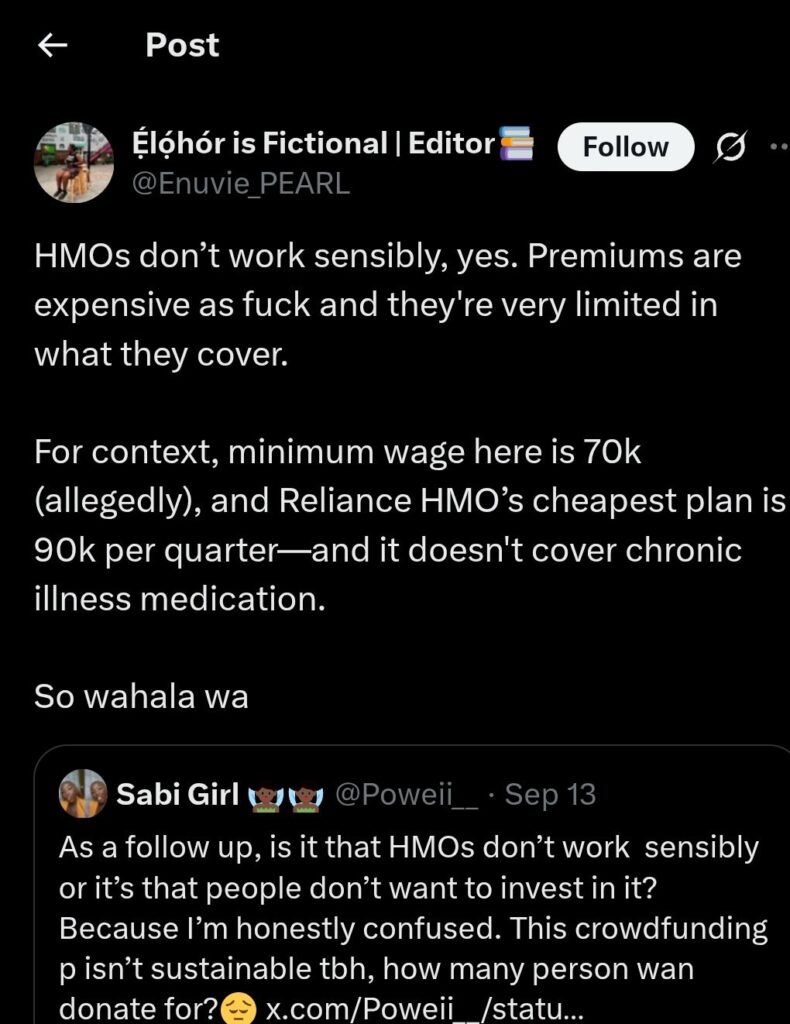
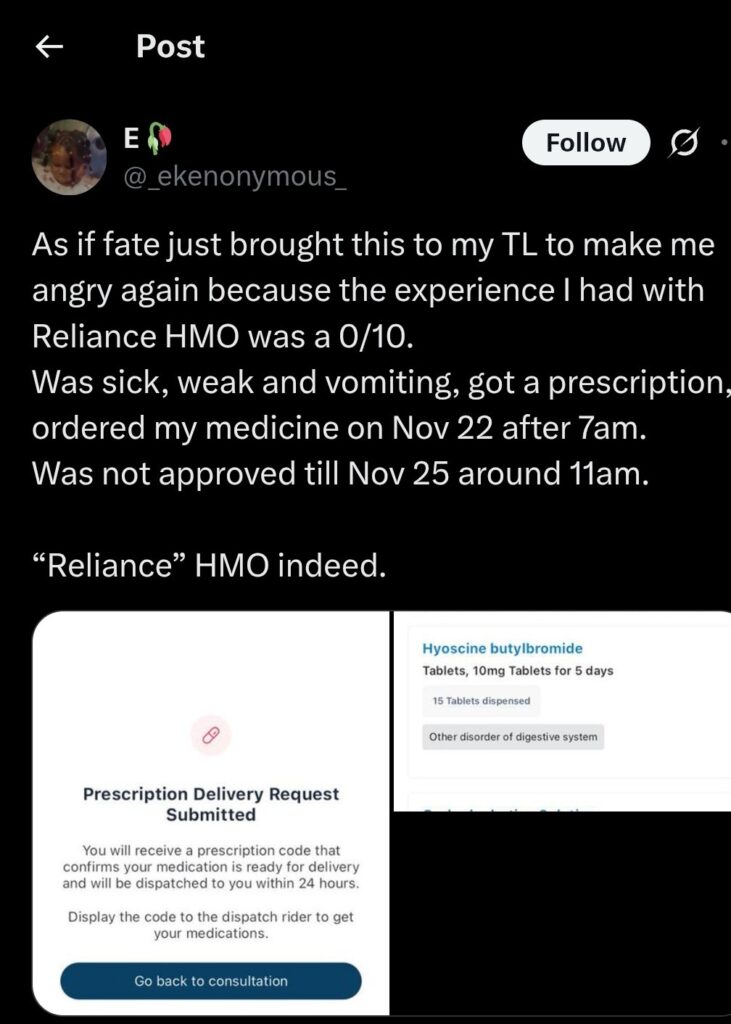
    • No longer offers individual or family plans, limiting accessibility for personal users. This shift means individuals and families seeking affordable health coverage will need to explore Reliance Health alternatives in Nigeria that still provide personal plans.
    • Corporate-only structure may not fit freelancers, startups, or households.
    • Some users report less flexibility compared to newer, digital-first HMOs.

    4. AXA Mansard HMO

    Axa Mansard pros

    • Wide hospital network (1,000+ across Nigeria).
    • Multiple tiered plans (Bronze to Rhodium) for different budgets.
    • Backed by a strong insurance brand with financial stability.
    • Plans include comprehensive benefits like specialist care and emergency cover.

    Axa Mansard cons

    • Users report difficulties when trying to access care at partner hospitals.
    • Customer support response times can be slow during emergencies.
    • Some users find claims processing cumbersome.
    • Service experience varies significantly between partner hospitals.

    5. Hygeia HMO

    Hygeia HMO pros

    • One of Nigeria’s oldest and most trusted HMOs, with decades of market experience.
    • Wide range of plans for different budgets, from basic to premium.
    • Covers chronic conditions and private ward access in higher-tier plans.
    • Known for reliability and consistent service.

    Hygeia HMO cons

    • Limited digital innovation — users expect more online access and app-based management.
    • Some plans have narrow hospital networks in smaller cities.
    • Customer experience can feel dated compared to modern, tech-enabled HMOs.

    How to easily switch from your old HMO to a new one

    Switching from your old provider to a new one doesn’t have to be complicated. Here’s a step-by-step guide to make the process smooth, no matter which provider you choose:

    1. Gather your current plan details: Take note of your current coverage, benefits, exclusions, and any pending claims. Understanding your existing plan will help you compare alternatives effectively. Ensure all claims or reimbursements with your current HMO are submitted and resolved. This avoids delays or complications during the transition.
    1. Compare alternative HMOs: Look at hospital networks, pricing, extra benefits (like maternity, dental, or chronic illness cover), and customer support. 
    1. Enrol with your new HMO: Follow the enrollment process for your chosen provider. Submit necessary documentation and complete any identity verification and payment steps.
    1. Activate coverage: Once enrollment is confirmed, your new plan should be active within hours or a few days, depending on your provider. You’re ready to enjoy improved benefits, wider coverage, and better support.

    Why switching to MyCoverGenius health plans is even easier

    While these steps apply to any provider, switching to MyCoverGenius is particularly seamless. Here is what you will need:

    • Pick a plan that suits your needs, make payment, and sign up online in minutes. No stacks of forms or in-person visits needed.
    • Your HMO ID is issued instantly, which is how you will be able to access care at hospitals.
    • Your coverage is activated and live for you to use in just 24 hours after signing up.

    Make the switch today and experience better health care

    Finding dependable healthcare shouldn’t be this hard. You deserve health coverage that’s simple, reliable, and built around your real needs, not endless paperwork or delayed claims.

    With MyCoverGenius, you get a distributor that delivers its promises to you, access to flexible plans designed for individuals, families, startups and businesses, and a wide network of hospitals. On top of that, you’ll enjoy fast, digital claims processing for a seamless experience whenever you need care.

    Make the switch today to healthcare that works for you.

  • Family health insurance in Nigeria: How to choose the right plan for your family   

    Family health insurance in Nigeria: How to choose the right plan for your family   

    It usually begins with something small: a cold fever that lingers, a late-night hospital run for your child, or a spouse who suddenly falls ill. Then comes the rush to find a good hospital and the quiet worry about how much the bills might cost. For many Nigerian families, this moment feels routine, but it shouldn’t be.

    Healthcare in Nigeria can be unpredictable, and with the rising costs of affordable healthcare in Nigeria, getting family health insurance is one of the most practical ways to protect your loved ones. The right plan helps your family plan ahead, so that when illness strikes or a health challenge strikes, your first thought is care, not cost.

    If you’ve ever wondered how to find the right plan, one that actually fits your family’s needs and budget, this guide will walk you through exactly what to look for and how to get started confidently.

    How family health insurance protects Nigerian families from unexpected medical costs

    Healthcare in Nigeria can be unpredictable and expensive. A single hospital visit can wipe out months of savings, especially if more than one family member falls sick. Many Nigerian families still have to pay out of pocket, forcing tough choices between getting quality health care and other essentials.

    Here’s how a family health insurance plan can protect your loved ones and your finances in practical, real-world ways:

    1. It helps you plan for the unexpected

    Medical emergencies don’t wait until payday. With a reliable family health insurance plan, you don’t have to borrow money or delay treatment when someone suddenly falls ill. Instead, your plan covers the cost of consultations, tests, and hospital admissions within your provider’s network.


    Luckily, there are many affordable health insurance plans in Nigeria. For example, ZenCare by MyCoverGenius (powered by Bastion, Hygeia and AXA Mansard) allows you to purchase a family health insurance plan starting from ₦10,000 per month, per individual, offering healthcare coverage that ensures care comes first.

    2. It protects your savings from unexpected hospital bills

    Even a short hospital stay in a private facility can cost hundreds of thousands of naira. Without health insurance, that money often comes from savings meant for school fees or household needs. Getting family health insurance spreads that risk. You pay a predictable amount every month or year, while your insurer covers the major costs when treatment is needed. It’s one of the simplest ways to avoid medical debt and financial shocks in a health crisis.

    3. It supports ongoing care for chronic conditions

    If someone in your family is managing diabetes, hypertension, or asthma, you already know how expensive continuous medication and tests can be. A good family health insurance plan helps you stay consistent with care, so you’re not skipping appointments or prescriptions because of cost.

    Some comprehensive health insurance plans in Nigeria, like Primecare by MyCoverGenius (powered by Bastion, Hygeia and AXA Mansard), offer higher limits for chronic conditions, cancer treatment, and surgeries, making them ideal for families seeking long-term health stability.

    4. It keeps every member of your family covered

    The right insurance plan extends protection to everyone, parents, children, and even elderly dependents.  From routine check-ups and lab tests to emergency care and surgeries, you get access to a network of partner hospitals without worrying about upfront payment.  Many modern health insurance plans in Nigeria now include telemedicine services, allowing families to speak with licensed doctors anytime, anywhere, even at night or from remote areas.

    And if you live abroad but still want to buy health insurance for your family back home in Nigeria, options like SendCare by MyCoverGenius (powered by Bastion, Hygeia and AXA Mansard), make that possible. It’s a simple, secure way for Nigerians in the diaspora to ensure their parents or dependents at home are covered without worrying about distance or logistics.

    5. It gives peace of mind in uncertain times

    Knowing your family is covered means you can make healthcare decisions confidently, without the fear of unexpected costs. Whether it’s a midnight fever or a sudden diagnosis, you can focus on recovery, not on raising funds.

    Types of family health insurance in Nigeria

    Before choosing a family health insurance plan, it helps to understand the main types available in Nigeria and what they mean for your access to care, flexibility, and cost.


    Here’s a breakdown of the three main types of health insurance plans Nigerian families can choose from and how to know which one fits your needs best.

    1. HMO Plans (Health Maintenance Organization Plans)

    How it works: An HMO plan connects you to a network of approved hospitals and clinics. When you or a family member needs care, you simply visit any hospital on the list, show your HMO ID, and receive treatment without paying upfront.

    Why it’s great for families: It’s predictable and stress-free, with no surprise bills or emergency borrowing. It’s also the most affordable and common type of family health insurance in Nigeria, ideal for everyday healthcare needs like check-ups, lab tests, and emergencies.

    What to consider: You’re limited to your provider’s hospital network, so it’s smart to check whether your preferred clinics or hospitals are included. If you value convenience and want cashless access to care, this is likely the best fit.

    2. Traditional insurance plans

    How it works: You have the freedom to visit any hospital, even private or government-owned. You pay the bills first and then request reimbursement from your insurer later.

    Why it helps: It gives you full control and flexibility over your choice of hospitals, doctors, and specialists, something some families prefer for complex or international care.

    What to consider: It’s less common in Nigeria and can be cash-intensive upfront, since reimbursement can take time. If your family travels often or uses high-end private hospitals, this model offers flexibility, but expect higher costs.

    3.Hybrid model

    How it works: A hybrid model blends both options. You enjoy the convenience of HMO-style hospital access, but can also visit hospitals outside the network when needed, often at partial reimbursement or a higher tier of coverage.

    Why it’s valuable:
    It gives families the best of both worlds: cost efficiency for routine care, and flexibility for specialised treatment.

    What to consider:
    These plans are typically priced higher but offer broader coverage and peace of mind for families with diverse health needs.

    How to choose the right family health insurance plan

    Choosing the best family health insurance plan in Nigeria isn’t just about finding the cheapest or most popular option but selecting coverage that truly fits your family’s medical needs, lifestyle, and budget.

    Here’s a practical guide to help you make an informed choice:

    1. Understand your family’s health needs

    Start with your family’s health history and daily realities.
    Do you have young children who need regular pediatric care, immunisations, or emergency coverage? Or elderly parents who require ongoing management for chronic conditions like hypertension, diabetes, or arthritis?

    Your family’s stage of life often determines the kind of benefits that matter most.

    2. Review what’s covered and what’s not

    Don’t assume all plans include the same benefits. Some exclude key areas such as maternity, dental care, or prescription medication.
    Always read the policy details carefully to understand:

    • What treatments and conditions are included
    • Which services are capped or excluded
    • How much you’ll pay out-of-pocket for medications, tests, or specialist visits

    The best family health insurance plan is the one that covers what your family will actually use not just what sounds impressive on paper.

    3. Check the network of hospitals and clinics

    Access is everything. A good plan should connect you to trusted hospitals and clinics near you without long referral processes or hidden fees. Look for:

    • A wide hospital network (especially if you live outside major cities)
    • Access to Federal and Teaching Hospitals for advanced care
    • National Health Insurance Scheme (NHIS)-accredited providers for regulated, quality service

    If your family travels frequently or lives in multiple cities, ensure your plan includes nationwide or multi-state coverage.

    4. Balance affordability with quality of coverage

    It’s tempting to go for the lowest-cost plan, but cheaper isn’t always better. A lower premium might save you money now, but could lead to higher out-of-pocket costs later, especially during emergencies.

    Compare health plans not just by their price, but also by:

    • Coverage limits and annual benefits
    • Hospital access level (basic vs. premium networks)
    • Add-ons like telemedicine or preventive care options

    Think long-term: the best family health plan is the one that gives your family sustainable, reliable protection, not short-term savings.

    6 core features to look for when choosing a family health insurance plan

    Not all family health insurance plans are the same. The best plan is one that covers the real health needs of your loved ones not just the basics on paper.

    When comparing options, here are six essential features to look for in a strong, reliable family health insurance plan in Nigeria:

    1. Inpatient (hospitalisation) care

    Hospital admissions, surgeries, and emergency treatments can quickly become expensive in Nigerian hospitals. A good plan should include comprehensive inpatient coverage, so if a family member is admitted, your focus stays on their recovery, not worrying about daily hospital bills or deposits.

    2. Outpatient services

    Routine doctor consultations, lab tests, and minor treatments add up faster than most people expect. Plans with solid outpatient coverage make it easier to manage everyday health needs from check-ups to prescriptions without dipping into savings.

    3. Pediatric and childcare benefits

    Children require frequent medical attention, vaccinations, growth monitoring, and occasional emergencies. Ensure the plan includes pediatric services as part of standard coverage, not as optional extras. It’s also worth checking if the plan covers specialist pediatric care for conditions like asthma or allergies.

    4. Maternity and newborn care

    If your family is growing, maternity benefits are a must. Look for coverage that includes antenatal visits, delivery costs (normal and caesarean), postnatal care, and newborn check-ups. Some plans even extend coverage to newborns for a limited period after birth, a valuable feature for new parents.

    5. Emergency and telemedicine services 

    Medical emergencies don’t wait for office hours. Your plan should provide 24-hour emergency response, including ambulance services and access to telemedicine, allowing you to speak with a doctor anytime, anywhere. This is especially important for families living in areas where hospital access may be limited.

    6. Preventive and wellness care

    The best health insurance plans go beyond treating illness, they also help you prevent it. Look for coverage that includes annual check-ups, preventive screenings, immunisations, and wellness programs. Early detection and preventive care can reduce long-term costs and keep your family healthier overall.

    When comparing family health insurance plans, make sure these six features are clearly included in your policy coverage .

    Plans like ZenCare or PrimeCare by Mycovergenius (powered by Bastion, Hygeia and AXA Mansard) combine inpatient, outpatient, maternity, and preventive care, providing all-around protection for families who want reliable, long-term coverage both for expected needs and medical surprises.


    How to buy a family health insurance plan in Nigeria

    Buying a family health insurance plan in Nigeria is easier than it used to be, especially with the rise of online platforms and HMOs. Here’s a simple, step-by-step guide to help you choose and buy the right plan for your family:

    Step 1: Research and compare plans

    Start by reviewing multiple health insurance providers in Nigeria.
    Health insurance distributors like MyCoverGenius have online tools that allow you to compare family health insurance plans side by side, including coverage limits, premiums, waiting periods, and claims processes.

    Pro tip: Focus on what truly matters: hospital network access, coverage for chronic conditions, maternity benefits, and emergency care. These details affect how practical the plan will be for your family.

    Step 2: Understand requirements

    Before applying, make sure you know what’s required.
    Typically, you’ll need:

    • A valid ID (NIN, passport, or driver’s license)
    • Basic family details (names, ages, relationships)
    • Optional: medical history or health checks for older members or those with existing conditions

    Having these ready in advance helps you complete your application faster and more accurately.

    Step 3: Review policy terms carefully

    Before you pay, take time to read through the terms and conditions especially:

    • Exclusions: what’s not covered (e.g. dental, cosmetic surgery, or certain pre-existing conditions)
    • Waiting periods: how long before coverage starts (maternity and chronic illness often have waiting times)
    • Claim process: how to request care or reimbursement if needed

    Understanding these details ensures you know what to expect before an emergency arises.

    Step 4: Enroll and activate

    Once you’ve made your choice, complete the enrollment form and make your first payment. Most providers will send you a digital health ID card or policy confirmation email once your plan is active. Keep in mind that some benefits may take a few weeks or months to activate, so plan ahead, especially if you’re enrolling family members who may need care soon.

    Step 5: Start using your benefits

    After activation, you can begin accessing hospitals, clinics, or telemedicine services included in your plan. Save your provider’s emergency contact numbers and hospital list in an easy-to-find place and check your app or portal regularly for updates.

    If you are still researching providers, check our latest breakdown of the top HMO plans in Nigeria for 2026 to make an informed decision for your family.

    Get your family health insurance plans today – Protect what matters most 

    Protecting your family’s health doesn’t have to be complicated but it does require being prepared. The best time to get coverage is before you need it.

    Thankfully, today, family health insurance in Nigeria is more accessible than ever. Most providers now offer online enrollment, flexible payment options, and instant access to hospital networks, making it easier for families to find the right balance between affordability and quality care.

    Whether you’re just starting with basic coverage or looking for a plan that supports long-term health needs, the key is to act early and choose a provider you can trust.

    At MyCoverGenius (powered by Bastion, Hygeia and AXA Mansard), we’ve made that process simple. You can explore, compare, and buy family health insurance plans in Nigeria online from affordable packages like FlexiCare to more comprehensive options like ZenCare and PrimeCare that cover chronic conditions, maternity, and emergency care.

    Don’t wait until a medical emergency forces a decision. Take a few minutes today to find a plan that gives your family lasting peace of mind and access to quality healthcare when it matters most.

    Explore our family health plans at mycovergenius.com to get started.

  • Auto Insurance in Nigeria: Costs, Types, and Benefits

    Auto Insurance in Nigeria: Costs, Types, and Benefits

    Driving in Nigeria presents its own set of challenges. From heavy traffic in cities like Lagos and Abuja to unpredictable road conditions in rural areas, owning a car is both a convenience and a responsibility. Accidents, theft, floods, and fire damage can occur unexpectedly. This is why securing auto insurance in Nigeria is so very crucial. It is not just a legal requirement; it also safeguards your vehicle, finances, and gives you peace of mind.

    For first-time car owners or individuals considering a change in their auto insurance coverage, understanding the costs, types, and benefits of auto insurance in Nigeria is really important. Gaining a clear understanding of how each policy works helps you make informed decisions and ensures adequate protection every time you drive.

    What is Auto Insurance in Nigeria?

    Auto insurance offers protection for your car and covers the costs of repairs or losses from accidents, theft, or other unforeseen events. Essentially, it is an agreement between you and an insurance company, where you pay a premium in exchange for coverage against certain risks.

    Think of it like this: you pay the insurance provider a set amount regularly, and in return, if your car is damaged in an accident, stolen, or affected by fire or flooding, the insurance company helps cover the repair or replacement costs. It also steps in if someone else’s car or property is damaged in an accident you caused, or if someone gets injured and medical bills need to be paid. Even events like hailstorms, floods, or theft of valuable accessories from your vehicle can be covered, depending on your policy.

    In simple terms, auto insurance acts as a safety net. Without it, a single accident or unexpected event could cost thousands or even hundreds of thousands of naira out of pocket. Having the right insurance plan allows you to stay on the road with peace of mind, knowing both your finances and legal obligations are taken care of.

    At a minimum, Nigerian law requires all vehicles to have third-party coverage, as mandated by the National Insurance Commission (NAICOM). This ensures that if an accident occurs, victims receive compensation for bodily injury or property damage. Beyond legal compliance, modern insurance policies in Nigeria offer additional benefits such as auto insurance with tracking, theft protection, and flood cover, helping drivers feel confident and secure.

    Types of Auto Insurance Policies in Nigeria

    Selecting the right coverage depends on your vehicle, usage, and budget. The main options available in Nigeria include:

    Third-Party Auto Insurance in Nigeria

    Third-party auto insurance in Nigeria is the most basic plan and satisfies legal requirements. It covers:

    • Bodily injury or death to third parties
    • Property damage caused to others

    It is the most affordable option, with auto insurance costs in Nigeria typically around ₦15,000 per year for private cars. This plan is ideal for drivers seeking cheap auto insurance in Nigeria that meets legal requirements without unnecessary extras.

    Third-party coverage is particularly suitable for cars with lower market value or owners seeking minimum protection. It ensures compliance with the law while providing peace of mind that others affected by accidents are protected.

    Mini Comprehensive Auto Insurance

    Mini comprehensive insurance offers more protection without a large increase in premiums. This type of insurance generally includes:

    • Third-party liabilities up to ₦3,000,000
    • Accidental damage to your vehicle up to ₦500,000

    This option is great for car owners seeking affordable auto insurance in Nigeria that goes beyond basic legal requirements. It protects against minor accidents, vandalism, and other risks.

    For example, a car valued at ₦1,500,000 could be covered under a mini comprehensive plan for about ₦25,000 per year. The policy is widely available online, making it easy to compare providers and purchase quickly.

    Comprehensive Auto Insurance in Nigeria

    Comprehensive auto coverage, or full auto insurance, provides the highest level of protection. Policies typically cover:

    • Full third-party protection
    • Coverage for any damage to your own vehicle resulting from accidents, with compensation based on the car’s insured value
    • Theft, fire, and flood damage
    • Optional features such as vehicle tracking or roadside assistance

    Comprehensive coverage offers the highest level of protection for your vehicle and is often considered full auto insurance in Nigeria. The cost of this type of coverage depends on the vehicle’s value, typically ranging from 3% to 7% of the car’s insured value per year.

    For example, a car valued at ₦5,000,000 may have an average auto insurance premium in Nigeria between ₦150,000 and ₦350,000. Many reliable auto insurance providers in Nigeria also offer flexible payment options, allowing you to pay monthly for easier budgeting.

    This policy is ideal for high-value vehicles, business fleets, or anyone looking for comprehensive protection. Some plans include additional features like theft protection and flood coverage, providing drivers with extra security against accidents, natural events, and other unexpected risks on the road. 

    Third-party only goes so far. Make sure your car is protected, not just the other driver’s. Explore affordable comprehensive plans. Check Plans now

    How Much is Auto Insurance in Nigeria?

    The price of auto insurance in Nigeria depends on the coverage type, the value of your vehicle, and other risk factors. A quick breakdown of typical costs looks like this:

    • Third-Party Insurance: ₦15,000 per vehicle per year
    • Mini Comprehensive Insurance: Usually costs about ₦25,000 per vehicle per year
    • Comprehensive Insurance: Calculated as a percentage of your car’s value, often ranging from 3% to 7% annually

    Several elements influence the price you’ll pay, including the age and type of your vehicle, its market value, your location, and any safety features installed. Cars in areas with higher accident or theft rates, or those without security measures, may incur higher premiums.

    While cheap auto insurance in Nigeria is understandable, it’s important not to compromise on essential protection. For frequently used cars or higher-value vehicles, choosing a more complete policy can save you from significant financial losses in the event of an accident, theft, or other unexpected damage.

    Wondering what you’ll pay? Estimate your premium instantly and see plans that match your budget. Calculate Premium.

    Benefits of Auto Insurance in Nigeria

    Understanding the benefits of auto insurance in Nigeria helps you see why coverage is more than a legal requirement. The advantages extend beyond compliance and offer both financial and personal protection:

    • Financial Security: Auto insurance coverage ensures that repair costs, medical expenses, and legal liabilities arising from accidents are covered. Without insurance, these expenses can be overwhelming.
    • Peace of Mind: Knowing that your vehicle is protected against theft, fire, floods, or accidents allows you to drive confidently without constant worry about potential losses.
    • Protection for Others: Policies like third-party auto insurance in Nigeria safeguard other road users by covering damages or injuries you might cause. This ensures responsible driving while protecting your finances.
    • Customizable Coverage: Modern insurance plans allow you to choose add-ons like flood protection, theft protection, or vehicle tracking, tailoring coverage to your specific needs.
    • Support in Emergencies: Many insurers offer roadside assistance, quick claims processing, and support for accident documentation, making the claims process simpler and faster.

    Having proper auto insurance is not just about meeting legal requirements; it is an investment in security, convenience, and long-term financial stability.

    Requirements for Auto Insurance in Nigeria

    Before you can secure coverage, it is important to be aware of the documents required for auto insurance in Nigeria. Having these ready helps ensure a fast and smooth application process. Commonly requested documents include:

    • A valid driver’s license
    • Vehicle registration certificate
    • Proof of ownership or bill of sale
    • National Identity Number (NIN)
    • Bank Verification Number (BVN)

    Some insurance providers may also ask for additional details, such as your previous claims history or vehicle inspection reports, depending on the type of policy you choose.

    Understanding how to get auto insurance in Nigeria starts with preparing these documents. Once you have them, you can easily submit your application online or at an insurance office, select the type of coverage you need, and complete the payment to receive your insurance certificate. Being prepared ensures a faster, hassle-free process and helps you start driving legally and confidently.

    Choosing the Best Auto Insurance in Nigeria

    Selecting the best auto insurance requires balancing coverage, reliability, and affordability. 

    Here’s how to make the right choice:

    • Reputation and Reliability: Look for insurers with a proven track record and positive customer reviews. Top auto insurance companies in Nigeria typically have transparent processes and strong support systems.
    • Coverage Options: Ensure the provider offers policies that match your needs, whether it’s third-party, mini-comprehensive, or full coverage. Additional options like flood cover or vehicle tracking can add extra protection.
    • Pricing and Affordability: Compare premiums to find affordable auto insurance without compromising essential benefits. Sometimes paying slightly more ensures better protection.
    • Customer Service: Quick response times and helpful support are vital for filing claims or resolving policy questions.
    • Additional Services: Some insurers provide perks such as roadside assistance, digital insurance certificates, and bulk processing for multiple vehicles.

    Choosing the right provider ensures peace of mind and a smoother claims experience when you need it most. Compare plans below.

    Comprehensive Cover

    Mini Comprehensive

    Third-Party

    Extra Features and Add-ons

    Insurance policies today often include valuable extras that enhance protection and convenience:

    Auto Insurance with Tracking in Nigeria

    Vehicles equipped with tracking devices offer added security. Auto insurance with tracking may reduce premiums and improve claims handling, as insurers can locate vehicles quickly in cases of theft or accidents.

    Auto Insurance with Flood Cover in Nigeria

    Nigeria’s rainy season and occasional flooding make auto insurance with flood cover an essential add-on for many drivers, especially as highlighted in Nigeria’s flood risk report by NigerianEye. This coverage ensures that damages caused by water, storms, or flash floods are included in your claim, preventing unexpected financial burdens.

    Other add-ons may include roadside assistance, personal accident cover, or coverage for accessories, giving drivers more control over how much protection they receive.

    Auto insurance in Nigeria is more than a legal obligation; it is a crucial tool for protecting your vehicle, finances, and peace of mind. Understanding the different types of policies, knowing the costs, and choosing the right provider can help you make confident decisions.

    Whether you opt for third-party auto insurance, a mini comprehensive plan, or full auto insurance, having the right coverage ensures you are prepared for unexpected events. By selecting a reliable provider and reviewing the benefits offered, including tracking, theft protection, and flood cover, you can drive safely knowing that you, your passengers, and your vehicle are protected.

    Start by preparing the necessary documents, comparing providers, and evaluating the coverage options that suit your vehicle and lifestyle. With the right approach, securing auto insurance becomes a simple, stress-free process that offers long-term security and peace of mind.

    Don’t wait until it’s too late. Protect yourself and your car today with comprehensive coverage. Get Covered Now.

    Auto Insurance FAQs

    How do I buy auto insurance online in Nigeria?

    Buying insurance online is simple. Choose a trusted provider, select the appropriate coverage, upload required documents, make a payment, and receive your insurance certificate digitally. Most platforms allow comparisons to find the best value.

    What documents are required for auto insurance in Nigeria?

    You will need a driver’s license, vehicle registration, proof of ownership, NIN, and BVN. Some providers may also request previous claims history.

    How much does auto insurance cost in Nigeria?

    Premiums vary by coverage type, vehicle value, and additional features. Third-party plans start around ₦15,000, mini comprehensive plans around ₦25,000, and full coverage ranges from 3%-7% of the vehicle’s value annually.

    What are the top auto insurance companies in Nigeria?

    Some of the most reliable insurance companies and distributors include AIICO, Leadway, and MyCoverGenius. They are known for transparency, strong customer service, and comprehensive coverage options.

  • Comprehensive Car Insurance in Nigeria: Ten Benefits, Costs & Requirements 

    Comprehensive Car Insurance in Nigeria: Ten Benefits, Costs & Requirements 

    Owning a car in Nigeria means planning for more than just fuel and repairs. Without strong protection, a single accident, theft, or disaster could put a huge dent in your finances. While third-party insurance is the legal minimum, it leaves you exposed to risks that could easily drain your savings.

    That’s why many drivers choose comprehensive car insurance in Nigeria. Unlike the basic third-party option, comprehensive coverage not only protects other road users but also secures your own car and wellbeing. In a country where accidents, theft, and even flooding are part of everyday realities, having that kind of safety net gives you peace of mind. 

    What Is Comprehensive Car Insurance in Nigeria?

    Comprehensive car insurance is a type of auto policy that covers much more than the legally required third-party liability. It pays for damages to your own car, whether caused by a crash, a fire, or even vandalism. It also protects you against financial loss if your car is stolen or damaged by a natural disaster.

    You can think of it as complete coverage that shields you from unexpected financial burden. If something happens to your vehicle, you’re not left stranded or forced to cover the entire cost from your pocket. And because comprehensive car insurance in Nigeria rates vary depending on the insurer and the type of car you drive, you can often find an option that balances affordability with solid protection.

    Third-Party vs Comprehensive Insurance: Why It Matters

    Typically, car owners start out with third-party insurance because it’s cheaper and legally compulsory. But it’s worth pausing to ask: what happens if your car itself is damaged in an accident or stolen from your driveway? With third-party insurance, the answer is simple: you’re on your own.

    Comprehensive coverage changes that. It steps in where the third party stops. Not only does it meet the legal requirement of covering harm to others, it also protects your own car and, in some cases, your medical bills. That added protection can make all the difference when a serious incident occurs.

    Ten Key Benefits of Comprehensive Car Insurance

    Here are the ten benefits of comprehensive car insurance that make it worth considering for every Nigerian driver:

    1. Personal Accident Coverage: If you’re injured in an accident, your insurer provides financial support for medical treatment. Instead of facing hospital bills alone, you get help covering the costs according to your policy terms.
    1. Fire Damage Protection: Electrical faults, explosions, or lightning strikes can destroy a car in minutes. With comprehensive insurance, fire damage is covered, so you’re not left paying for repairs or replacement yourself.
    1. Third-Party Liability Coverage: This is the part that’s mandatory by law, but comprehensive plans include it automatically. Any harm or property damage caused to others by your car is handled by the insurer under this coverage.
    1. Accident Repairs for Your Car: Accidents can leave you with more than dents; they can drain your finances. A comprehensive policy covers the repair costs for your car, taking a big weight off your shoulders.
    1. Car Theft Protection: Car theft is a painful experience, both emotionally and financially. In the event of theft, your insurer provides compensation based on your car’s insured value.
    1. Add-ons and Premium Features: Comprehensive insurance allows you to personalize your coverage with extras like roadside assistance or replacement car cover.
    1. Car Insurance with Car Tracking in Nigeria: Car tracking has become one of the most sought-after extras in the Nigerian insurance market. Insurers can install a GPS tracker in your car, making it easier to recover if it is stolen. Some companies even reward you with lower premiums because the risk of total loss is reduced.
    1. Natural Disaster Coverage: Floods, storms, and other natural events can be just as destructive as accidents. Comprehensive plans cover the damage, so you don’t have to pay out of pocket.
    1. Vandalism Protection: From scratched paint to smashed windows, acts of vandalism are frustrating. Comprehensive insurance steps in to cover the damage, sparing you the expense.
    1. Animal Collision Coverage: Sometimes, swerving to avoid animals leads to accidents. Comprehensive coverage protects you in these situations, covering both car repairs and passenger injuries.

    Get Coverage That Actually Covers You – Explore policies with theft, accident, and natural disaster protection. Check Plans Now

    How Much Is Comprehensive Car Insurance in Nigeria?

    What you pay for comprehensive auto insurance in Nigeria isn’t fixed. It varies based on factors like the kind of car you drive, your experience on the road, and any extras you include in your policy. Insurers also look at your age, where you live, and whether the car is for personal or commercial use. All of these details help them calculate the level of risk and, ultimately, your premium.

    For most private cars, premiums range between ₦25,000 and ₦150,000 per year. Luxury models and commercial vehicles can cost more because of their higher value and increased risk exposure.

    It’s also worth noting that comprehensive car insurance rates in Nigeria are not fixed across providers. Two drivers with identical cars may pay very different amounts depending on the insurer’s pricing system, the deductibles chosen, and the extras included, such as roadside assistance or tracking services.

    Still, many car owners are surprised at how affordable comprehensive plans can be compared to the financial impact of replacing a stolen car or covering major accident repairs out of pocket. When weighed against the risks, the cost of car insurance in Nigeria often makes comprehensive coverage the smarter investment.

    Know What You’ll Pay Before You Drive – Calculate your premium for comprehensive car insurance in Nigeria. Use Our Free Calculator.

    Documents Needed for Comprehensive Car Insurance in Nigeria

    When applying for coverage, having the right paperwork ready makes the process smoother. The documents needed for comprehensive auto insurance in Nigeria usually include:

    • A valid driver’s license, National Identification Number (NIN), international passport, or voter’s card.
    • Proof of residence, such as a recent utility bill or bank statement.
    • Your car’s registration certificate.
    • A current roadworthiness or inspection certificate.
    • A purchase receipt or a professional valuation if the car isn’t new.
    • Your previous insurance certificate, if switching providers (this can help you qualify for a no-claims bonus).
    • Passport photographs and your completed application form.

    Most insurers will also ask for your bank details to set up premium payments. Having these documents ready speeds up approval so you can get your cover activated quickly.

    Choosing the Best Comprehensive Car Insurance in Nigeria

    Picking the right policy goes beyond just looking at the price tag. The cheapest option might not give you the protection you need when it really matters. To find the best comprehensive car insurance in Nigeria, here are a few things to consider:

    • Coverage scope: Ensure you know what exactly is included and excluded. Make sure natural disasters, theft, and vandalism are covered.
    • Claim settlement record: Some companies are quicker and more reliable at paying claims. Ask around or check reviews to see how they handle payouts. You can also confirm on the NAICOM website that the insurer is properly licensed and regulated.
    • Customer service reputation: When something goes wrong, you want an insurer that responds fast.
    • Network of repair shops: Good insurers work with trusted mechanics so you don’t get stuck with poor-quality repairs.
    • Add-ons available: Look at extras like car tracking, roadside assistance, or car replacement while yours is being fixed.
    • Affordability: Balance the cost of premiums with the quality of protection.

    If possible, talk to your insurance provider or broker about customising your plan. The best insurers will explain your options clearly and help you choose coverage that matches your budget and lifestyle.

    Choosing the right car insurance isn’t just about meeting legal requirements. It’s about protecting your investment, your health, and your finances.

    Comprehensive car insurance in Nigeria stands out because it covers far more than just the basics. From accidents and theft to vandalism and natural disasters, it ensures you’re not left struggling to cover huge costs on your own.

    While the cost of car insurance in Nigeria varies, the benefits of comprehensive coverage usually outweigh the expense, especially when you consider the risks of driving without it. The key is to compare providers carefully, understand what each policy includes, and focus on both affordability and reliability.

    At the end of the day, a good comprehensive plan doesn’t just insure your car, it gives you confidence every time you get behind the wheel. And that kind of peace of mind is worth investing in.

    Drive with Confidence – Get comprehensive car insurance protection in Nigeria. Get Covered Today

    Frequently Asked Questions (FAQs)

    How much is comprehensive insurance for cars in Nigeria?

    For most cars, annual premiums fall between ₦25,000 and ₦150,000, but this depends on your vehicle, location, and selected add-ons. Luxury cars and commercial vehicles usually cost more.

    Is comprehensive car insurance mandatory in Nigeria?

    No. Only third-party insurance is legally required. Comprehensive coverage is optional but strongly recommended if you want full protection for your own car as well.

    Which is better: third-party or comprehensive?

    Third-party is cheaper, but it only protects other people’s vehicles and property. Comprehensive covers both third parties and your own car, making it the safer choice if you want peace of mind.

    Can anyone drive my car under a comprehensive policy?

    In most cases, yes. Unlike some limited policies, many comprehensive plans still apply even if someone else is behind the wheel, though it’s best to confirm this with your insurer.

    Do insurers offer discounts?

    Yes. Some companies lower your premium if you have a clean driving record, install an anti-theft device, or use car insurance with car tracking in Nigeria.

  • How Insurance Helps in Financial Planning  

    How Insurance Helps in Financial Planning  

    Financial stability will always be a top priority for most individuals, families, and businesses. While savings and investments are important in building a solid financial future, you can’t overlook how important insurance is in financial planning. 

    Insurance is a safety net that protects you during turbulent times. The purpose of insurance is to provide financial security for you, your dependents, or your business. 

    Think of insurance as risk management. It helps ease the impact of adverse events that could dramatically affect your finances. An example is Health Insurance. Health insurance covers unexpected medical bills, preventing financial strain that could disrupt your goals. 

    In this article, we’ll explore the importance of insurance in protecting your financial future and why it should be a huge part of your financial strategy.

    Why Insurance is a Key Part of Financial Planning

    Life is unpredictable, so it’s important to acknowledge the realities that can disrupt the plans we make in our daily lives. And that’s precisely where the concept of insurance comes in to lend a helping hand.

    1. It protects against unforeseen events

    Medical emergencies and accidents can have devastating financial consequences. Insurance provides a layer of protection that mitigates the financial impact of such events, allowing individuals and businesses to recover with minimal financial stress.

    For instance, gadget insurance ensures that the cost of repairs does not deplete your savings. Auto Insurance ensures your vehicle is protected against accidents. Without these protective measures, a single unfortunate event could lead to substantial financial loss, making it difficult to achieve long-term financial stability.

    2. It supports business stability and growth

    Insurance is equally important for businesses. Business owners invest significant amounts of time and money into building their business. They have employees and use gadgets to keep their business moving. Having insurance that covers employees’ health and office devices will support stability, ensuring work doesn’t stop when office devices get damaged. 

    3. Insurance reduces financial stress

    The financial burden that comes from accidents, illnesses, or property damage can lead to immense stress. Without insurance, individuals may struggle to pay medical bills, repair damages, or cover unexpected expenses. 

    Insurance removes this burden by providing financial support when needed the most. Knowing that you are covered in emergencies allows you to focus on recovery, rather than worrying about how to cover unexpected costs.

    4. It helps you stay compliant with the law

    Many types of insurance are not just optional but legally mandated. Third-party Auto Insurance, for instance, is a requirement in Nigeria. This ensures you can cover the cost of repairs if you accidentally damage another vehicle. You can fulfil legal obligations and avoid potential penalties by having the necessary coverage. 

    5. It gives you peace of mind

    One of the most significant benefits of insurance is the peace of mind it provides. Knowing that you are financially protected against unforeseen circumstances allows you to focus on achieving your goals, whether. Rather than worrying about potential financial setbacks, insured individuals and businesses can confidently plan for the future, knowing that they have a safety net in place.

    Final Thoughts 

    Insurance is important when it comes to financial planning. Whether it’s protecting your health or your business, getting an insurance policy is a smart choice.  

    Individuals and businesses can protect themselves from unforeseen risks, maintain financial security, and achieve long-term financial goals.

    View insurance as a necessary investment in a secure future rather than seeing it as an expense.

    We’re always here to help. Whether you’re an individual looking for affordable plans or a business that wants to show care beyond a paycheck, we have something for you. 

    Take a moment to explore our offerings.

    Remember, the goal of insurance is to provide financial security, so take the time to choose a policy that truly meets your needs and offers peace of mind for the future.

    Visit our website to get started.